


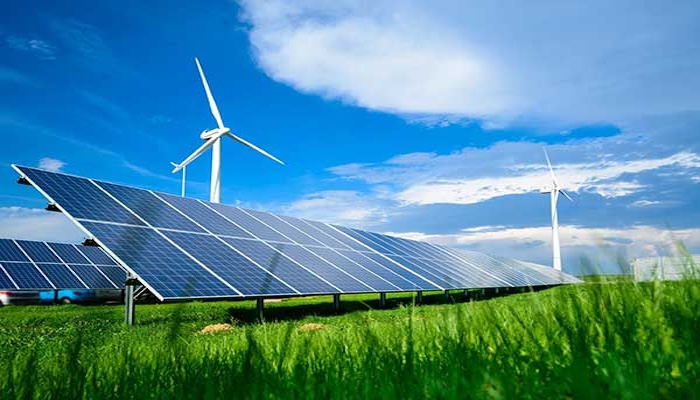
Nigeria is pursuing an ambitious expansion of its power sector, targeting a staggering 209,000 megawatts of solar capacity by 2050 through 53 large-scale solar projects valued at approximately $11 billion.
According to a report by IIR, the projects form part of a broader push to strengthen the country’s energy mix, improve electricity access, and reduce reliance on fossil fuels, especially in rural and underserved areas. The Rural Electrification Agency (REA) is also deploying over 1,300 solar mini-grids and off-grid systems, including 250 interconnected ones designed to feed into the national grid. The initiative is backed by $750 million in public funds, which is expected to attract an additional $1.1 billion in private investment.
REA Managing Director Abba Aliyu described it as the largest publicly funded renewable energy project globally. He said it would provide electricity to 17.5 million Nigerians, representing about 20 per cent of the population, within three years and position Nigeria as Africa’s renewable energy hub. Nigeria added 803MW of solar capacity in 2025, bringing total installed solar to about 1,019MW. Renewables currently make up 23 per cent of the energy mix, with government targets of 30 per cent by 2030 and 82 per cent by 2050.
The efforts align with the World Bank-backed Mission 300 initiative aimed at connecting 300 million Africans to electricity by 2030. Officials believe solar represents the most viable and sustainable path to addressing Nigeria’s chronic power shortages and reducing dependence on expensive diesel generators that burden households and businesses. This aggressive solar push is expected to create thousands of jobs in installation, maintenance, and related sectors while boosting agricultural productivity through reliable energy for irrigation and processing.
The initiative comes at a critical time as the country grapples with energy deficits that hinder industrial growth and economic diversification. If successfully implemented, the projects could significantly alleviate the power crisis, lower electricity costs in the long term, and contribute to climate change mitigation commitments. However, experts caution that challenges such as funding gaps, policy consistency, and grid integration must be addressed to realise the full potential. The solar expansion is viewed as a cornerstone of Nigeria’s energy transition strategy and a key driver for inclusive economic development.