

SoFi Stadium in Inglewood, California, fits just over 70,000 people. Today it held a football game, a political statement, and a protest at the same time
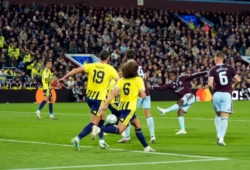
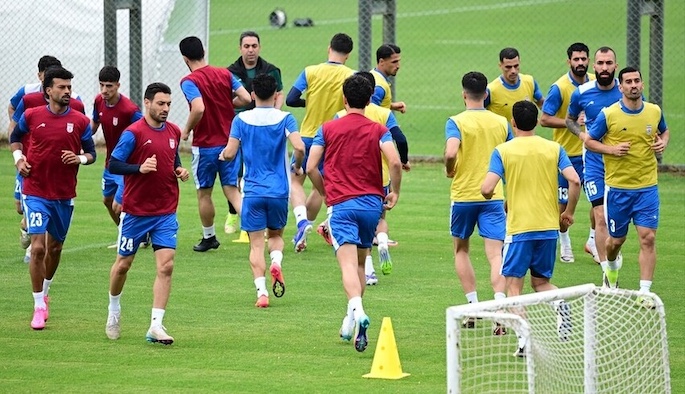
Iran played New Zealand in their 2026 World Cup opener. It finished 2-2 in a wild back-and-forth. Elijah Just put New Zealand ahead twice, in the 7th and 54th minutes. Iran answered both times, with Ramin Rezaeian equalizing in the 32nd and Mohammad Mohebbi making it 2-2 in the 64th.
However the events went beyond the scoreline.
Iran has been in an active conflict with Israel since late 2024, a war that’s shifted alliances, displaced people, and fueled one of the longest global controversial talks about sovereignty, retaliation, and civilian casualties in recent years.
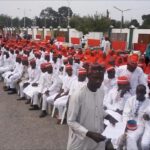
Before kickoff outside SoFi, protesters made sure that context was not forgotten. They held signs, they protested and were loud and visible in a city with a huge Iranian diaspora
That’s the tension FIFA’s format doesn’t fix and doesn’t try to. “Countries compete, not governments,” is the usual line. “Football is sport, not politics.” The players are athletes, not spokespeople for policy.
While they are not necessarily wrong, they don’t tell the whole story either. National teams don’t exist outside politics. They carry flags. They play anthems. They wear a state’s identity on their shirt. When that state is at war and drawing protests worldwide, pretending the game is separate from politics takes more suspension of disbelief than most people have or are willing to spare.
The Iranian players are stuck in a no-win spot that deserves more recognition. Several have been called out before for speaking up about what’s happening inside Iran. At the 2022 World Cup, some refused to sing the anthem in support of protests back home. What happened wasn’t widely reported, but the pressure on those players from every direction isn’t something any footballer signs up for.