


For generations, marriage in Nigerian society has been viewed as a major milestone. It is a celebration of love, family, and tradition. But for many young Nigerians today, getting married is becoming less about finding a partner and more about surviving the costs that come before saying “I do.”
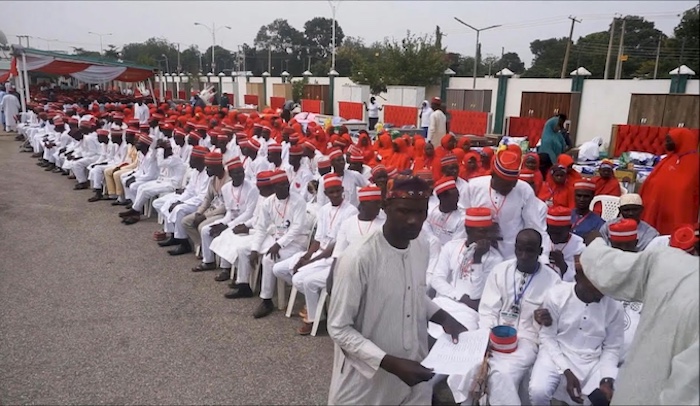
The decision by a northern state governor to allocate ₦1.5 billion for a mass wedding involving 3,000 couples has sparked conversations about a growing reality. Marriage is becoming increasingly expensive for ordinary people.
A wedding ceremony, especially one that meets cultural expectations, often comes with significant financial demands. From traditional rites and ceremonies to clothing, food, venue costs, and other preparations, the cost of getting married has risen alongside the general increase in the cost of living.
For many young couples, the challenge is not a lack of willingness to commit. It is the pressure of meeting expectations.
In many communities, marriage is not only between two individuals but also between families. That means expectations around bride price, ceremonies, and “proving you’re ready” financially before starting a home. With the economy tougher now, those expectations are harder to meet.
This has created a situation where some people delay marriage for years, not because they do not want to settle down, but because they cannot afford the process.
That’s where government-backed mass weddings come in. By covering the major expenses and taking the financial weight off couples, these programs aim to help young people start families without drowning in traditional wedding costs.
However, the bigger question remains: is the cost of the wedding the real problem, or is it a reflection of deeper economic struggles?
A wedding ceremony is just the beginning. After the celebration comes the reality of providing housing, food for the home, medical care, school fees for the children, and financial stability. If young couples are struggling before marriage, the pressures may continue even after the ceremony ends.
That’s why this conversation is bigger than weddings. It’s about the economic reality facing a generation trying to build families in a tough environment.
Marriage has always needed commitment, patience, and sacrifice. Now it also demands financial prep that many people cannot reach.
The mass wedding program gives immediate relief to thousands of couples, but it also points to a larger issue: when basic life milestones become unaffordable, society has to look past the ceremony and face the economic problems underneath.
Because for many Nigerians now, the most expensive part of marriage isn’t the wedding day. It’s building a life after it.