

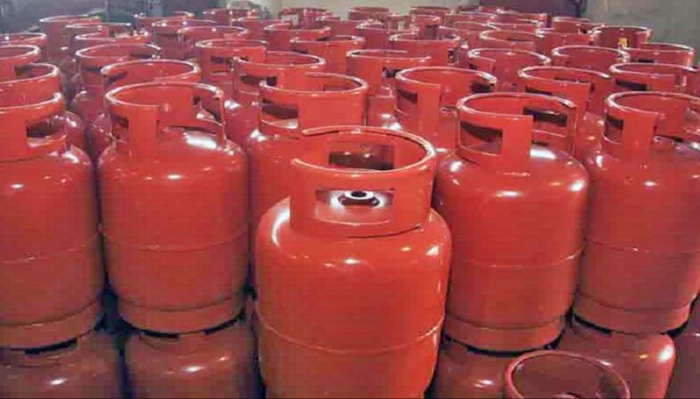
The federal government has convened an emergency stakeholders’ meeting in Abuja to address the rising cost of cooking gas, with security agencies including the DSS, EFCC, and Nigeria Police Force to be deployed in tackling product diversion, hoarding, and speculative storage blamed for escalating prices.
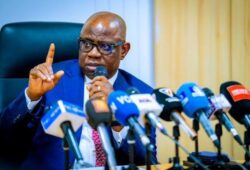
Minister of State for Petroleum Resources (Gas) Ekperikpe Ekpo, who chaired the meeting, said improved supply alone would not resolve current challenges without efficient distribution and responsible market conduct. He directed the Nigerian Midstream and Downstream Petroleum Regulatory Authority (NMDPRA) to intensify market surveillance and collaborate with security agencies to eliminate artificial scarcity and strengthen transparency across the distribution chain.
Ekpo issued directives across the value chain noting that producers must prioritise the domestic market; depot owners must publish loading schedules and report stock levels; marketers must price responsibly and avoid withholding product for speculative gain; and retailers must display prices clearly and avoid arbitrary increases.
On immediate supply measures, the minister said marketers had indicated readiness to increase imports, while expected output from new domestic facilities including the Seplat gas plant would support supply in coming weeks. The government is also exploring a local blending initiative with NLNG, local producers, and the Port Harcourt plant operator to reduce import pressure and logistics costs.
The NMDPRA disclosed that its indicative pricing model shows consumer prices should not exceed N1,018 to N1,244 per kilogramme. The authority attributed current supply challenges to continued exports of locally produced LPG, global supply disruptions linked to Middle East tensions, inadequate import volumes, and infrastructure limitations.
Although average daily LPG supply rose to 5,040 metric tonnes in June from 4,262 metric tonnes in May, the regulator projected a potential supply gap of 165,000 metric tonnes in the third quarter if corrective measures were not urgently implemented. It said it had commenced audits of LPG off-takers lifting from NLNG and NNPC facilities and was working to facilitate foreign exchange access for critical imports. Plans to deploy technology-driven product tracking systems to curb diversion were also announced.
The Nigerian Association of Liquefied Petroleum Gas Marketers (NALPGAM) argued that market distortions rather than supply shortages were the primary driver of high consumer prices. Former association chairman Oladapo Olatunbosun stated plainly: “We do not have a supply challenge, but we have profiteering issues across the board.”
Permanent Secretary Patience Oyekunle, who opened the meeting, said the price increases had placed a significant burden on households and called for practical solutions to improve affordability, ensure supply stability, and reduce emissions.