


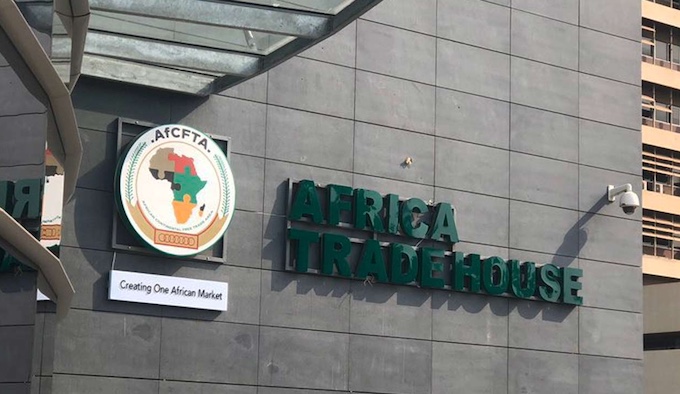
For years, the African Continental Free Trade Area existed primarily as a promise. Nigeria’s 2025 trade figures suggest it is beginning to function as one too.
Afreximbank’s African Trade Report 2026 shows that Nigeria’s intra-African trade grew from $7.47 billion in 2024 to $9.02 billion in 2025, a 21% increase that positions the country among the continent’s leading intra-African trading nations.
The most consequential development of the year was procedural but far-reaching. In April 2025, Nigeria gazetted its Provisional Schedule of Tariff Concessions under the AfCFTA framework. That single administrative step unlocked preferential tariff treatment for Nigerian goods across AfCFTA member states while granting reciprocal access for African imports into Nigeria. Before that gazetting, Nigeria’s AfCFTA membership has been largely nominal. After it, Nigerian exporters had a concrete mechanism for competing on better terms across the continent.
Crude oil remains the largest component of Nigeria’s exports to African markets, a structural dependency that the trade figures alone cannot resolve. But the composition of what Nigeria is selling to its neighbours is shifting. Growing shipments of chemicals, plastics, rubber products, processed agricultural goods, food products, urea, and cement point to a manufacturing and processing base beginning to find regional buyers. That diversification, even if still nascent, is the more important story inside the headline number.
A new air cargo corridor connecting Nigeria to East and Southern Africa is also reducing logistics costs for exporters, addressing one of the persistent structural barriers that has historically made intra-African trade more expensive than trade with partners outside the continent. Infrastructure that makes it cheaper and faster to move goods across African borders tends to compound over time. Its inclusion in the report alongside the tariff concessions suggests Nigeria is building the conditions for sustained growth rather than a single-year spike.
Nigeria’s push to deepen intra-African trade is partly a hedge against concentration risk. The country’s export revenues have long been heavily weighted toward markets outside Africa, leaving it exposed to external demand shocks. A $9 billion African trade base, growing at 21% annually, does not eliminate that vulnerability. But it represents a meaningful step toward a more diversified economic posture.
AfCFTA has been operational since 2021 and has been slow to produce tangible results at scale. Nigeria’s 2025 performance is one of the clearer pieces of evidence yet that the framework, properly engaged, can move numbers rather than just ambitions.