

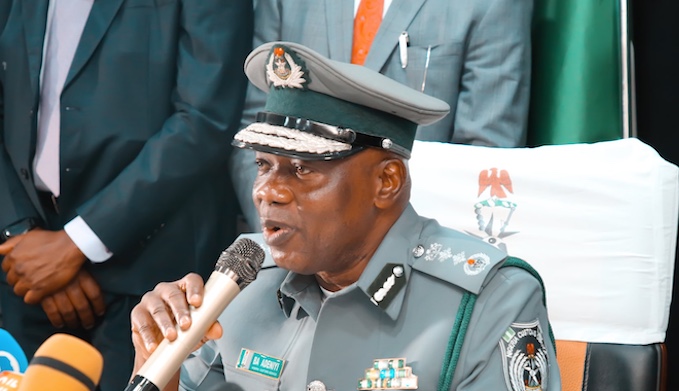
Nigeria Customs Service Comptroller-General Adewale Adeniyi told the House of Representatives Committee on Customs and Excise on Wednesday that the federal government’s newly reduced vehicle import tariffs could weigh on collections, even as the service posted its strongest revenue year on record in 2025.
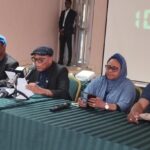
Adeniyi appeared before the committee to defend the NCS’s 2026 budget proposal, using the session to walk lawmakers through both the service’s recent performance and the tariff changes now in effect. Under the 2026 fiscal policy measures, the levy on used vehicle imports has dropped from 15 percent to five, while the tariff on brand-new vehicles fell from 20 percent to 10. “We have the new excise tariff, which is provided in the 2026 fiscal policy. We believe that these measures will increase our revenue collection,” Adeniyi said, before flagging the tension built into the same policy. “Conversely, tariffs on vehicles and levies on vehicles have been reduced significantly… So we believe that this is something that may also negatively affect revenue.”
That tension drew a pointed question from Abia lawmaker Alex Mascot, who asked whether a five percentage point cut would be enough to stop importers from routing goods through Cotonou instead of Nigerian ports, a practice he said has persisted specifically because of high tariffs. Adeniyi’s response was limited to noting that implementation only began in May, leaving the practical impact still largely untested. Committee chairman Leke Abejide struck a more celebratory tone regardless, calling the tariff review a win for ordinary Nigerians and urging the public to credit President Bola Tinubu for delivering a change people had long demanded.
The backdrop to that exchange is a service that outperformed its own targets substantially last year. Adeniyi said the NCS generated ₦7.258 trillion between January and December 2025, beating its approved target by ₦1.153 trillion, a positive variance of nearly 19 percent, despite a list of headwinds that included suspended excise duty on telecoms, a still-shelved green tax first proposed in 2023, import duty reliefs tied to local healthcare production, and reduced revenue from imports linked to the government’s CNG and electric vehicle push. Global disruptions from the Russia-Ukraine war, particularly around wheat shipments, added further pressure. Even so, ₦34.538 trillion worth of imports qualified for revenue concessions in 2025, dominated by petroleum products and military imports.
Looking ahead, Adeniyi said the NCS is targeting ₦11.074 trillion in revenue for 2026, broken down across federation revenue, non-federation revenue, import VAT and FOB collections. To hit that number despite the vehicle tariff cuts, he pointed to a mix of strategies already underway, full rollout of the unified customs information system known as B’Odogwu, tighter post-clearance and real-time audits, expansion of the Authorised Economic Operator programme, geospatial tracking and joint border patrols against smuggling, and a planned reintroduction of the green tax. He proposed a ₦1.235 trillion expenditure budget for the year, split between personnel costs, overheads and capital projects, while acknowledging that global trade tensions involving the US, Israel and Iran add further uncertainty to the outlook.