

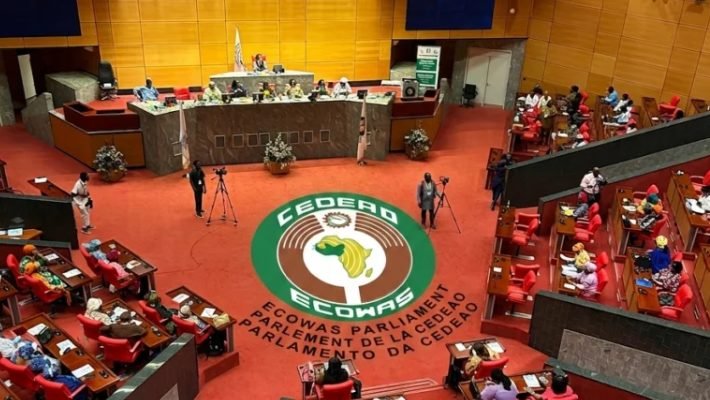
West African heads of state gathered in Freetown on Sunday to formally approve one of the continent’s most ambitious energy infrastructure projects, signing off on a gas pipeline that will stretch roughly 6,000 kilometres from Nigeria to Morocco. The agreement, sealed at an ECOWAS summit in Sierra Leone’s capital, sets in motion a pipeline that will pass through 13 countries along Africa’s Atlantic coastline before eventually feeding into the Maghreb-Europe pipeline network.
ECOWAS chair Julius Maada Bio delivered the news with a note of anticipation, telling those gathered that the West Africa-Morocco gas pipeline had officially been signed and hinting that the benefits would soon reach far beyond the countries directly involved in its construction.
According to a joint statement from Morocco’s state hydrocarbons agency ONHYM and Nigeria’s state oil company NNPC, the pipeline’s purpose extends well beyond simply moving gas from one country to another. The two agencies described it as a project designed to connect West Africa’s gas resources to major regional markets while deepening integration across African energy systems. There is also a broader ambition at play, one aimed at forging a new development corridor that links West Africa, the Sahel region, Morocco and Europe into a more connected economic network.
Several steps remain before the pipeline becomes reality. Organizers plan to establish a project company headquartered in Casablanca alongside a governing authority based in Abuja, groundwork that needs to be in place before investors are brought into the fold and a final investment decision gets made. Barring delays, an ONHYM source indicated that construction could begin in 2028, with the first deliveries of gas expected to flow by 2031.
The pipeline itself is not a new idea. It was first floated during a 2016 visit by Moroccan King Mohammed VI to Abuja, though it has taken years for the project to gain real momentum. Its estimated price tag now sits at around $27 billion. Part of what revived interest in recent years traces back to 2022, when Algeria cut off gas supplies to Spain that had been routed through Morocco, a decision tied to the collapse of diplomatic relations between Algiers and Rabat, which left a gap in regional energy supply that this new pipeline is now positioned to fill.