


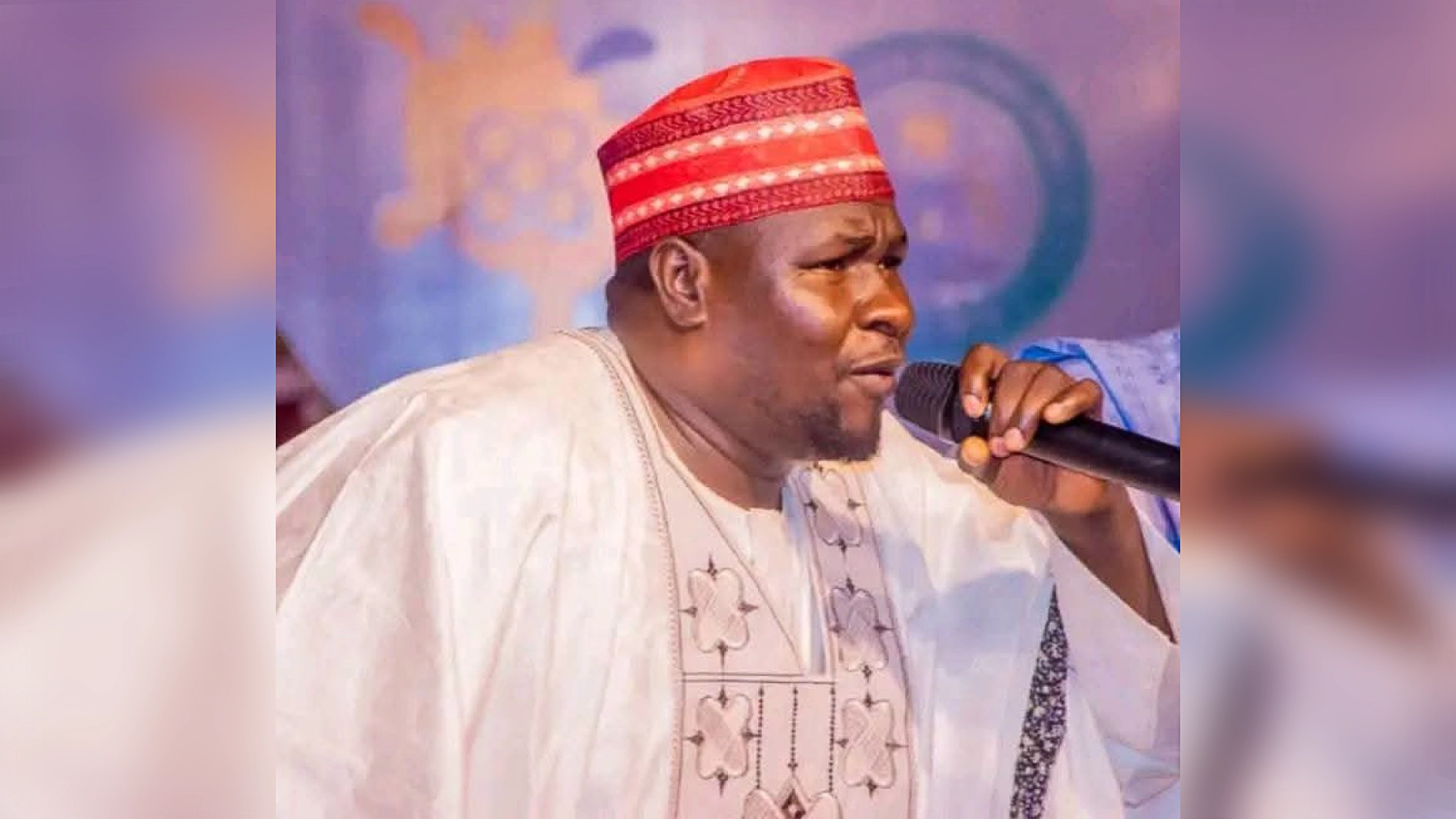
The Hausa entertainment industry has been thrown into mourning following the death of renowned political singer, Muhammadu Buhari, popularly known as Kosan Waka, at the age of 47.
The late singer, widely recognised across Northern Nigeria for his politically themed songs and cultural advocacy, died on Sunday and was laid to rest in his hometown of Tsanni Village in Batagarawa Local Government Area of Katsina State.
His death has elicited tributes from political leaders, admirers and members of the entertainment community who described him as a talented artist whose music transcended politics and promoted social cohesion.
In a statement issued by his spokesperson, Sunusi Bature Dawakin Tofa, Kano State Governor Abba Kabir Yusuf expressed deep sorrow over the singer’s passing, describing him as a patriotic Nigerian who used his talent to advance unity, cultural preservation and public enlightenment.
The governor noted that although Kosan Waka hailed from Katsina State, he made Kano his home and became a prominent voice within the region’s entertainment and political landscape.
According to Yusuf, the singer’s influence extended beyond campaign songs and political commentary, as he consistently used music to educate the public and celebrate the rich cultural heritage of Northern Nigeria.
He said the late entertainer’s contributions to political communication and Hausa music would remain a lasting legacy for future generations.
The governor extended condolences to the deceased’s family, friends and supporters, praying for strength and comfort during the difficult period.
Over the years, Kosan Waka became one of the most recognisable voices in Hausa political music, earning widespread popularity for songs that resonated with political supporters and ordinary citizens alike.
His performances at political gatherings, public events and cultural celebrations made him a household name across several northern states.
Beyond entertainment, many admirers viewed him as a cultural ambassador who helped preserve indigenous music traditions while adapting them to contemporary political and social realities.
His death marks the end of a career that spanned several years and left a significant imprint on the Hausa entertainment industry.
As tributes continue to pour in, family members, associates and fans have described him as a gifted artist whose music connected communities and amplified important public messages.