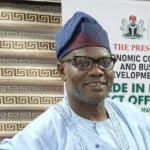


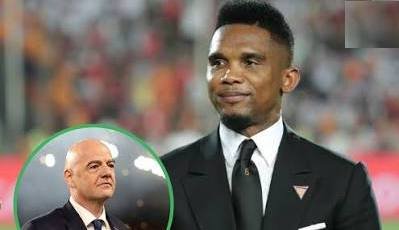
Samuel Eto’o publicly threw his support behind FIFA president Gianni Infantino earlier in the day. By evening, a different group of former players, including Premier League winners Emmanuel Petit and Mikael Silvestre, had posted the opposite sentiment, calling for change at the top of world football’s governing body.
“Change is necessary. Power has blurred the current leadership’s ability to distinguish between its own interests and what is best for football,” Silvestre, Petit, and fellow Frenchman Olivier Dacourt said in social media posts. None of the three named Infantino outright, but the target of their criticism was clear from context, arriving the same day the FIFA president received a notable public endorsement from one of the sport’s most recognizable former stars.
The trio’s statement leaned more on sentiment than specifics, describing a broader sense of alienation many fans share with how the sport is currently being run. “We share exactly the same concerns as millions of supporters around the world. Like them, we have watched the sport we love drift away from its core values under FIFA’s current leadership,” they said, again stopping short of referencing any particular decision or policy by name.
The unspoken backdrop to their comments was Infantino’s abandoned plan to route World Cup revenues into a commercial company open to private investors, a proposal that collapsed over the summer after facing coordinated resistance from the European, North American, and Asian confederations. Though the players didn’t reference the plan directly, the timing of their criticism, arriving months after its collapse but amid continued scrutiny of Infantino’s leadership, made the connection difficult to miss.
Both Petit and Silvestre carry substantial standing within the sport to make that kind of statement. Petit won the 1998 World Cup with France and added domestic titles with both Monaco and Arsenal during his playing career. Silvestre, a five-time Premier League champion with Manchester United, was part of the French squad that reached the 2006 World Cup final, and currently sits on a FIFA anti-racism panel, a position that puts him in a somewhat unusual spot criticizing the same organization he’s formally affiliated with.
Despite the mounting public pressure from multiple directions, Infantino has shown no sign of stepping back. He remains committed to seeking another term when FIFA holds its next presidential election in Rabat this coming March, a vote that now looks set to unfold against a backdrop of visibly divided opinion among the game’s most recognizable former figures.