

Nigeria has qualified for every FIFA Women’s World Cup since the tournament began in 1991. That streak ended this year, after the Super Falcons lost 2-1 to South Africa’s Banyana Banyana in a World Cup qualification playoff, a defeat that followed an earlier quarterfinal exit to Cameroon in the 2026 Women’s Africa Cup of Nations and ended Nigeria’s title defense in the process.
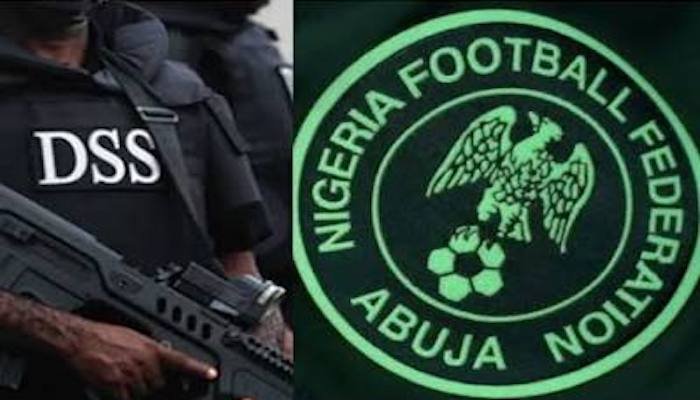
That historic failure, combined with the Super Eagles missing consecutive FIFA World Cups, has intensified scrutiny of how the Nigeria Football Federation is being run, and it’s against that backdrop that the Department of State Services has now joined other security operatives investigating how the NFF handled a N17 billion Federal Government intervention fund. President Bola Tinubu approved the fund in 2024 specifically to clear outstanding wage and bonus payments owed to Nigeria’s national teams.
A source told Vanguard that DSS officials have turned their attention squarely to NFF officials, seeking documentation on exactly how the money released to the federation’s headquarters, commonly referred to as the Glass House, was actually spent. The source pushed back on any suggestion that the inquiry amounts to targeted harassment. “It’s a normal thing for DSS to go through all documents relating to the funds released to them,” the source said, characterizing the review as standard oversight rather than anything unusual.
Even so, the timing places the investigation squarely alongside a period of mounting institutional instability at the NFF. The federation’s executive committee, led by Ibrahim Gusau, is facing significant pressure to step down following the run of competitive failures, pressure that has already translated into departures at the board level. Eight of the NFF’s 13 board members have reportedly resigned, a wave of exits substantial enough to put the federation’s scheduled September 27 board elections in Lafia, Nasarawa, in doubt.
Whether the DSS review ultimately surfaces specific findings about how the N17 billion fund was used remains to be seen, but its arrival amid an already turbulent stretch for Nigerian football adds adds one more source of uncertainty to a federation already contending with resignations, missed qualifications, and growing public frustration over its direction.