


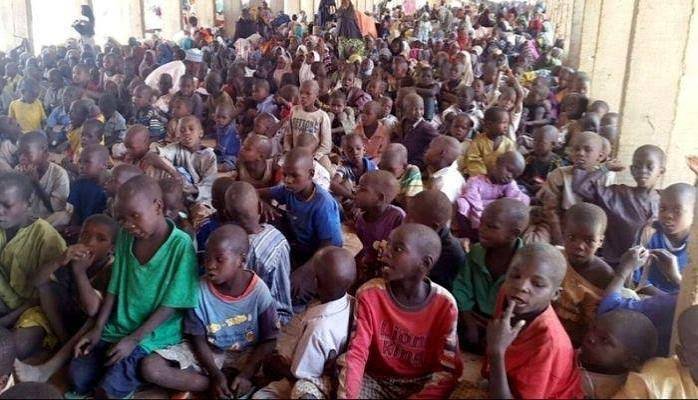
The Federal Government has unveiled a new set of education reforms aimed at reducing the number of Almajiri and out-of-school children across the country, as part of efforts to ensure that every Nigerian child has access to quality education and relevant life skills.
The reforms were announced in Kaduna by the Special Adviser to the Minister of Education on Almajiri and Out-of-School Children, Dr Balarabe Kakale, during a National Education Sector Renewal Initiative (NESRI) advocacy and stakeholders’ engagement meeting.
According to Kakale, the Federal Ministry of Education has introduced policies designed to address long-standing challenges affecting Almajiri education and other non-formal learning systems. He explained that the reforms would strengthen collaboration between federal and state institutions responsible for education delivery and child development.
The new education framework is built around five major pillars: foundational literacy, numeracy, vocational and technical education, digital education, and civic education. The government believes these areas will equip children with practical skills and knowledge needed to contribute meaningfully to society and the economy.
Kakale stressed that successful implementation of the reforms by state governments would help ensure that no child is denied access to education, regardless of social or economic background. He also called on states to domesticate the National Commission for Almajiri and Out-of-School Children Education Act in line with their unique educational needs and realities.
Representing the Executive Secretary of the National Commission for Almajiri and Out-of-School Children Education, Malam Halliru Musa Halliru, said the commission had developed a 10-year strategic plan covering 2025 to 2035 to provide coordinated and sustainable interventions for vulnerable children.
He revealed that about 200 Almajiri learners at the Tinubu Legacy Skills Training Institute in Kaduna have already received training in Arabic studies, English language, vocational education and practical skills acquisition.
Kaduna State Commissioner for Education, Prof. Abubakar Sambo, noted that addressing the challenge of out-of-school children requires a united effort from governments, communities and development partners.
Also speaking, the Coordinator of the Kaduna Reaching Out-of-School Children (ROOSC) Project, Mr Ezra Angai, disclosed that the state had identified 187,912 out-of-school children across its 23 local government areas and successfully returned more than 25,000 children to learning centres.
The initiative forms part of broader efforts by the Federal Government to improve access to education, reduce poverty and build human capital development across the country.