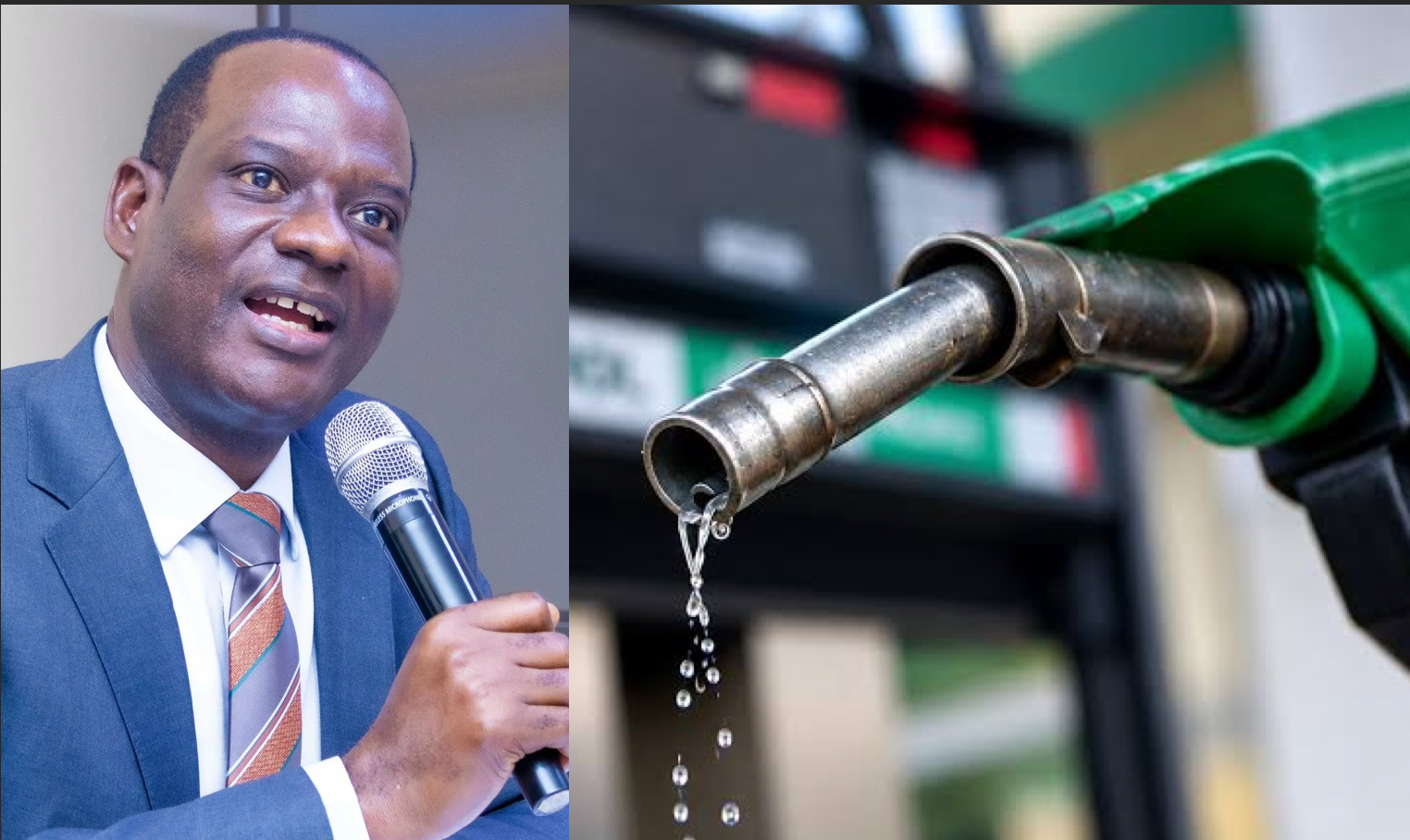
Nigeria could spend more than ₦20 trillion annually if petrol prices are restored to pre-reform levels, the Minister of Finance and Coordinating Minister of the Economy, Taiwo Oyedele, has warned, arguing that a return to fuel subsidies could put government finances and public services under further pressure.
Oyedele made the position known on Thursday at a high-level strategic engagement with ministries, departments and agencies in Abuja, where he rejected calls to reinstate the subsidy despite the recent surge in petrol prices.
He said even fixing petrol at ₦500 per litre would cost the government more than ₦16 trillion each year, potentially leaving less money available for salaries, pensions and essential services.
The minister attributed the latest increase in pump prices to international energy market disruptions, saying Brent crude had climbed above $100 per barrel as shipping through the Strait of Hormuz fell sharply. According to him, petrol prices rose from about ₦830 to ₦1,400 per litre following the global energy shock.
Rather than restore the subsidy, Oyedele said the government was pursuing measures intended to reduce price pressures while preserving the reforms introduced in 2023.
He said subsidy removal released ₦15.8 trillion into the Federation Account between June 2023 and December 2025, of which ₦10.4 trillion went to state and local governments. He also cited tax and duty waivers on petroleum products, which he said had saved consumers between ₦400 and ₦600 per litre, representing more than ₦5 trillion in potential government revenue.
Among the measures announced was a 30-day margin discount on petrol sold at Nigerian National Petroleum Company stations, with public transport operators identified as a priority.
The government also plans to negotiate a ₦1,350-per-litre ceiling on petrol ex-gantry or landing costs. Oyedele said the proposed ceiling would be reviewed monthly to limit price volatility without reinstating subsidies or imposing permanent price controls.
To reduce dependence on petrol, he pointed to the expansion of compressed natural gas (CNG), local refining and naira-for-crude transactions. He said more than 120,000 vehicles were operating on CNG, supported by over 400 conversion centres and 96 refuelling stations.
More than 550 CNG buses have also been deployed, he said, with fares falling by between 30 and 50 per cent on routes where they operate.
Oyedele disclosed additional plans to expand cash transfers and subsidised credit for vulnerable Nigerians, alongside consideration of an excess-profit tax on energy operators accused of exploiting consumers. Proceeds could support transport assistance or vouchers for low-income urban workers earning the minimum wage.
The government is also planning a National Strategic Fuel Reserve to cushion consumers during major supply disruptions and deter hoarding, while working with states to eliminate illegal levies that increase transport and logistics costs.
Oyedele said the objective was to retain economic reforms while making their benefits more tangible to Nigerians, adding that the government was pursuing fiscal measures aimed at sustainably reducing inflation to single digits.