Nigeria’s ambition to develop tourism into a stronger driver of economic growth will depend on sustained investment in infrastructure, effective collaboration among government agencies and closer integration of transport services with tourism development, stakeholders have said.
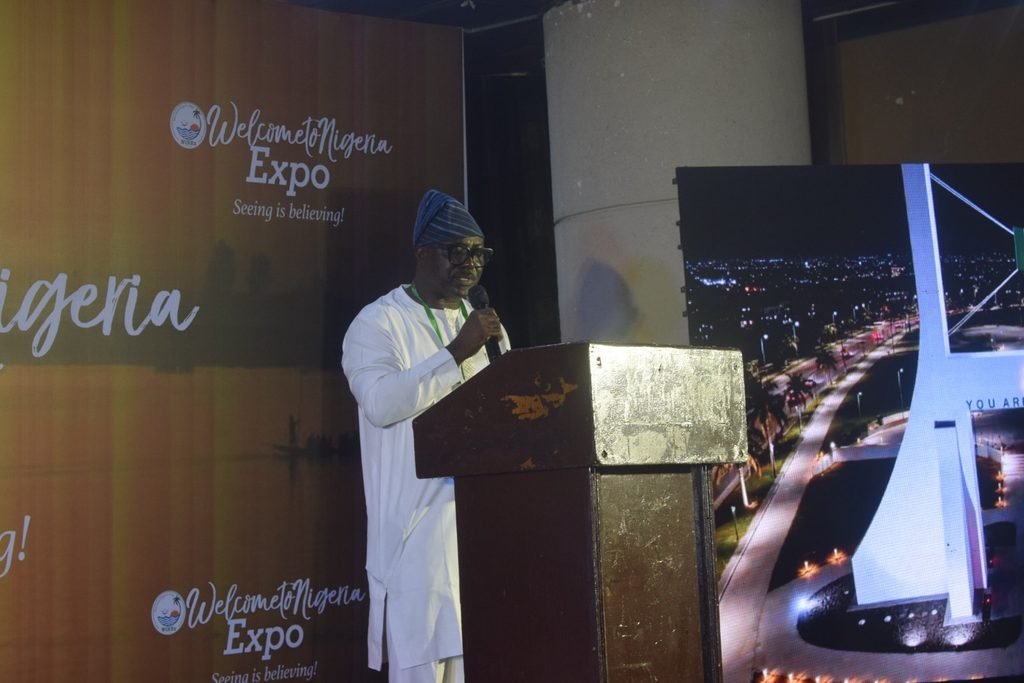
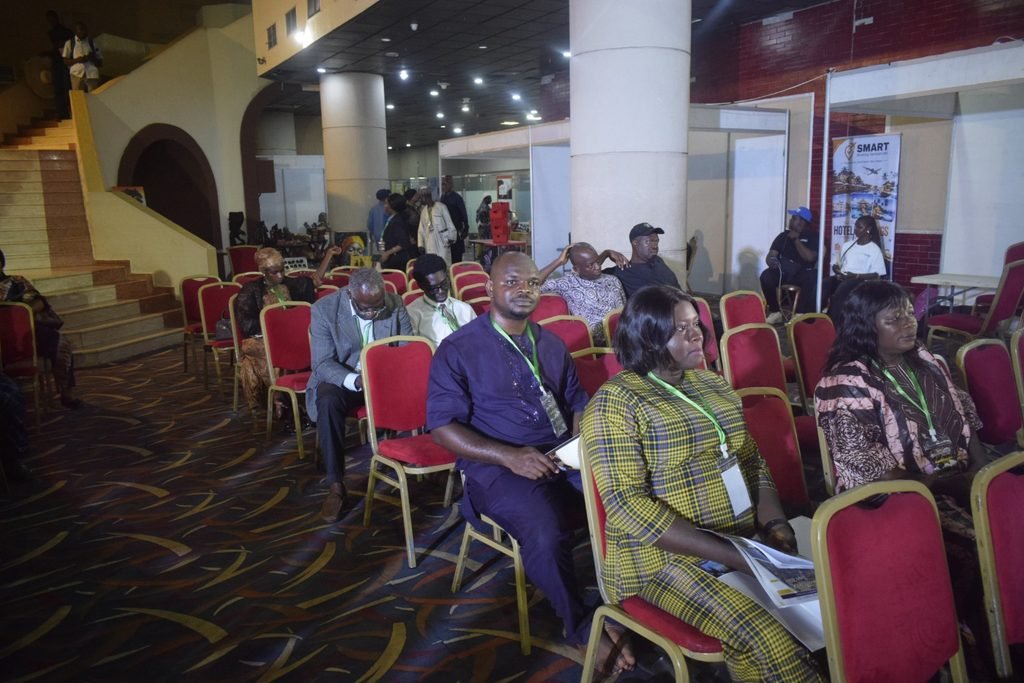
The call was made during a technical session at the second edition of the Welcome to Nigeria Expo 2026, held at NICON Luxury Hotel in Abuja on October 20. The two-day event, which runs until October 21, is themed “Global Perspective of Nigeria Tourism Master Plan: Infrastructure Development, Sub-sectoral Growth and Economic Prosperity.”
The discussion brought together stakeholders to examine how transportation, maritime services, aviation, technology and institutional partnerships could support domestic tourism and unlock opportunities across Nigeria’s tourism value chain.
A major concern raised during the session was the need to move beyond treating tourism and transportation as separate economic activities. Participants argued that the success of tourism destinations depends not only on their attractions but also on the quality of infrastructure and the efficiency of the systems connecting visitors to those locations.
Road networks, airports, seaports and other transport facilities were identified as important components of a functional tourism industry. Without adequate infrastructure and reliable connections between destinations, the country’s cultural and natural attractions may struggle to attract visitors and generate their full economic value.
The discussion also highlighted the importance of cooperation among ministries, departments and agencies responsible for tourism, transport and related sectors. Participants questioned whether existing institutional relationships were strong enough to support coordinated planning and the development of policies that adequately consider tourism.
They stressed that decisions affecting transportation, maritime operations and infrastructure should take tourism into account, rather than focusing exclusively on commercial transport activities.
The concerns are particularly relevant as Nigeria seeks to strengthen its tourism master plan. Participants noted that relevant agencies and sectors need to contribute to the planning process to ensure that policies reflect the realities of tourism businesses, destination operators and domestic travellers.
Maritime regulation and tourism connectivity
A representative of the former Nigerian Shippers’ Council, which was discussed during the session in relation to its economic regulatory responsibilities, explained that the agency’s work could support tourism by helping to regulate charges within the maritime sector and improve the movement of goods and passengers.
The representative noted that economic regulation was important in creating an environment in which businesses could operate without facing excessive or unjustified charges.
Relating the agency’s responsibilities to tourism, the representative said efforts to support passenger transportation and address excessive charges could help improve accessibility for travellers.
The discussion also touched on the relationship between seaports, airports and other transport systems, with participants emphasising the need for better connectivity to facilitate the movement of people and goods.
However, questions remained about the extent of collaboration between the relevant transport agencies and the Federal Ministry of Art, Culture, Tourism and the Creative Economy, particularly its domestic tourism department and the Nigerian Tourism Development Authority (NTDA).
Participants maintained that stronger institutional relationships would help ensure that tourism considerations are incorporated into policies governing transportation, infrastructure and related economic activities.
Investment and partnerships as drivers of expansion
Beyond infrastructure, the session underscored the importance of investment and partnerships in expanding Nigeria’s tourism economy.
The expo provides a platform for government institutions, private businesses and other stakeholders to explore areas of cooperation, showcase services and identify opportunities across tourism, hospitality, aviation, maritime services, arts, culture and the creative industries.
Organised under the Welcome2Nigeria Project, the expo seeks to strengthen business relationships and encourage investment in tourism and allied sectors.
Participants also raised questions about how Nigerian products and services could gain greater access to international markets, particularly through improved business connections and exposure to foreign consumers.
In response to concerns about taking Nigerian businesses abroad, a speaker emphasised the importance of understanding the culture, business environment and operating conditions of target markets. The discussion suggested that international expansion requires more than the availability of products; businesses also need the knowledge and preparation to compete effectively in different environments.
The point highlighted the potential connection between tourism, trade and the promotion of Nigerian products. Greater exposure to Nigeria’s cultural assets and creative industries could complement efforts to expand business opportunities, provided that the necessary partnerships and market knowledge are in place.
Turning tourism potential into practical development
The closing discussion returned to the importance of infrastructure and coordinated action, with participants stressing that tourism development would remain difficult if agencies with responsibilities for critical infrastructure continued to operate without sufficient cooperation.
The session also highlighted the need for clarity in institutional responsibilities and policies to help investors understand the opportunities available and the requirements for participating in the sector.
For Nigeria, the challenge is not simply identifying tourism assets but establishing the conditions that make them accessible, attractive and commercially viable. Investment in transport links, hospitality facilities and supporting infrastructure must be accompanied by policies that encourage enterprise and improve coordination among relevant institutions.
The Welcome to Nigeria Expo 2026 therefore provided a platform for examining the relationship between tourism development and the wider economic systems that sustain it.
As discussions continue at the two-day event, the emphasis on collaboration, infrastructure and investment reflects a broader question for the sector: how can Nigeria translate its tourism potential into sustainable economic opportunities for businesses, communities and domestic travellers?
The answer will depend not only on identifying opportunities but also on the ability of public institutions and private-sector stakeholders to work together and turn discussions into practical outcomes.
Deborah Adeyefa