Overlapping government procedures, poor access to destinations and weak coordination among agencies are limiting Nigeria’s ability to turn its tourism resources into jobs and revenue, two industry stakeholders have said.
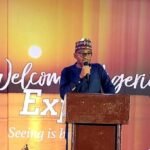
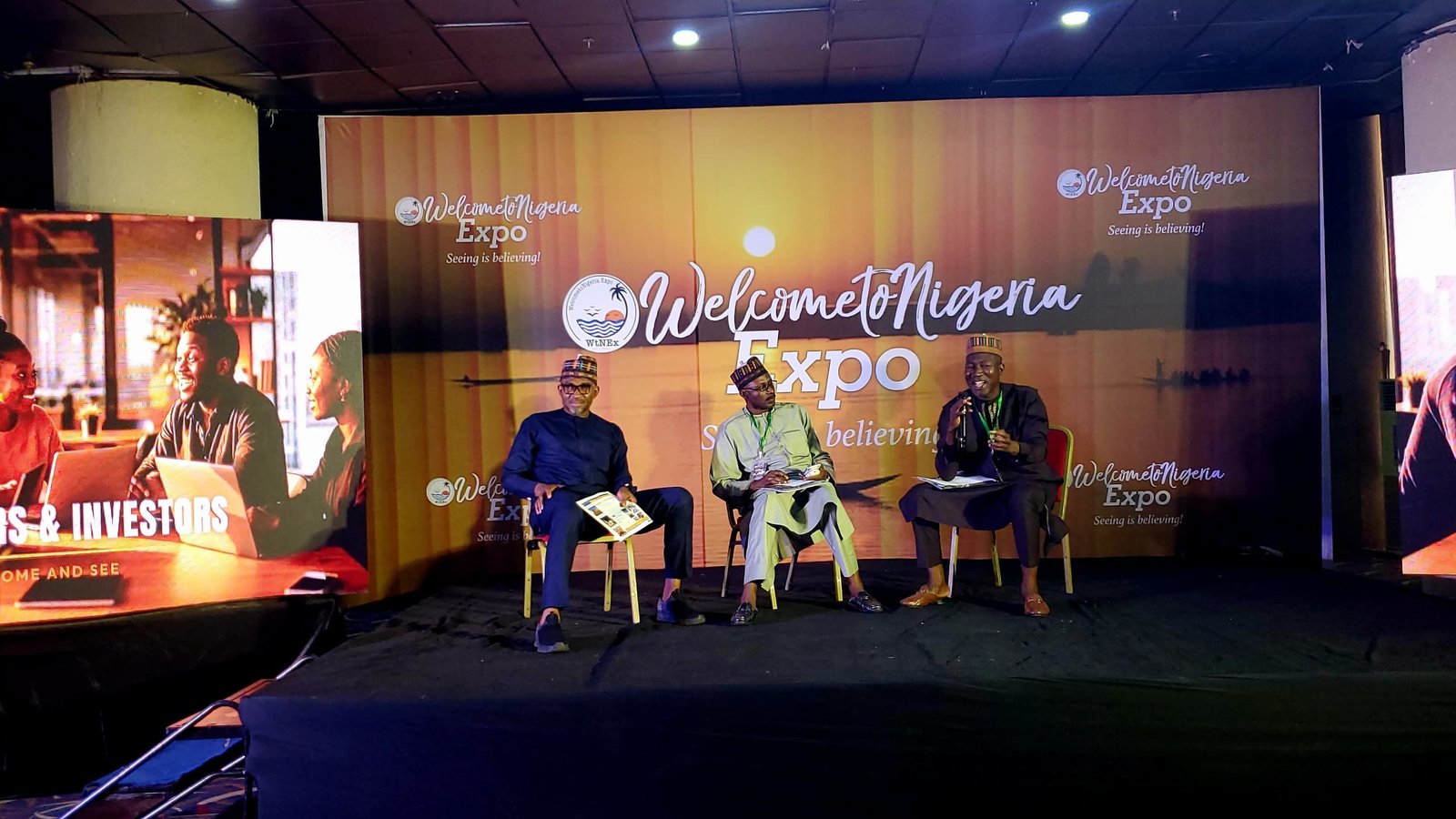
Speaking in separate interviews at the second edition of the Welcome to Nigeria Expo, Princess Halima Jubril and Ambassador Roland Owoola called for stronger partnerships to develop tourist attractions and improve travel experiences.
Jubril, a media professional and public analyst, said Nigeria possessed substantial natural and cultural attractions whose economic value remained largely untapped. Developing these destinations, she explained, could create employment, support businesses and increase tourism’s contribution to the economy.
She highlighted the wider benefits of visitor spending, noting that purchases of local artefacts, food, transport and accommodation circulate money within host communities. Increased activity, she added, could strengthen local enterprises and generate revenue for states.
However, Jubril identified cumbersome procedures and overlapping agency responsibilities as obstacles to growth. She pointed to the involvement of immigration, customs, port police and other bodies, saying multiple checkpoints and processes could confuse travellers and cause delays.
She also raised concerns about poor connections between tourist destinations and security challenges that discourage movement. Alongside improvements in access, she called for stronger advertising to raise awareness of Nigeria’s attractions.
Assessing the event, Jubril welcomed the discussions but expressed concern that several government agencies were absent or unrepresented. Their participation, she said, was necessary to connect industry recommendations with the institutions responsible for implementation.
She said a final communiqué would bring together the event’s key points and recommendations for submission to relevant government agencies and stakeholders, with the aim of encouraging policy action and greater support for tourism development.
Owoola, an event planner and culture and tourism promoter, emphasised the sector’s potential to support economic diversification and reduce dependence on crude oil.
He argued that Nigeria’s tourism resources could generate substantial wealth if backed by sustained development and effective collaboration.
Drawing on his involvement in the Face of Culture Nigeria beauty pageant for 15 years and the Welcome to Nigeria Expo initiative for nearly two decades, Owoola stressed the need to maintain engagement among industry players beyond the event.
He highlighted cooperation among aviation operators, transport companies and tourism businesses as essential to improving the visitor experience. Government institutions, private businesses and non-governmental organisations, he added, all had roles to play in developing the sector.
Both interviews reinforced calls for practical follow-through on the expo’s discussions, particularly in simplifying travel procedures, improving destination access and strengthening cooperation among the bodies responsible for tourism development.
Ezeana Emmanuel