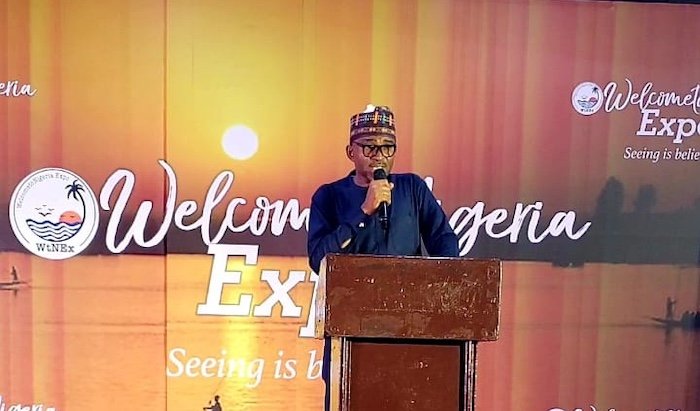
The Coordinator of Welcome to Nigeria Expo 2026, Isa Yusuf Sago, has identified rural communities as key centres of Nigeria’s tourism potential, calling for coordinated investment in infrastructure and security to turn their attractions into sustainable livelihoods.
Speaking in an interview, Sago said research by the Welcome to Nigeria Development Initiative had reinforced the importance of rural tourism to community development and poverty reduction.
He explained that the expo was designed to promote Nigeria as a tourism destination while connecting opportunities across tourism, arts, culture and the creative economy.
According to him, developing these opportunities requires a broader approach that recognises the contribution of sectors beyond tourism. Transport, aviation, the marine and blue economy, agriculture, telecommunications and security, he said, all influence the industry’s ability to attract visitors and support businesses.
Sago warned that tourism promotion would achieve limited results without the infrastructure needed to make destinations accessible and visitor experiences satisfactory. He called for tourism considerations to be incorporated into government policies and project implementation across relevant ministries.
He identified security as a prerequisite for growth, urging the government to take decisive steps to improve safety and build visitor confidence.
While acknowledging progress in aviation infrastructure, which he credited to the Minister of Aviation and Aerospace Development, Sago stressed the importance of airports as gateways for international tourists. He advocated stronger links between airport development and the wider tourism agenda.
Explaining the expo’s programmes, he said the Infrastructure Tourism Development Summit was established to bring ministries and agencies together to examine infrastructure gaps and align their activities with tourism development goals.
The exhibition component, he added, provides states and participating sectors with opportunities to showcase cultural assets, present tourism offerings and identify areas for further development.
Business networking also forms part of the programme, connecting public institutions and private operators to explore partnerships and discuss improvements within the industry.
Sago said international participation offers opportunities to exchange ideas and learn from successful approaches elsewhere, helping Nigerian stakeholders draw on global experience in developing local tourism products.
He appealed for stronger government backing and private-sector involvement, describing collaboration as essential to sustaining the initiative’s impact.
He specifically called for participation from institutions responsible for arts, culture, tourism, aviation, transport and the blue economy, alongside security, immigration, customs and environmental agencies.
Sago said the initiative would continue conducting research into tourism trends and sector needs, engaging government agencies and pursuing partnerships across the public and private sectors to advance tourism development.
Ezeana Emmanuel