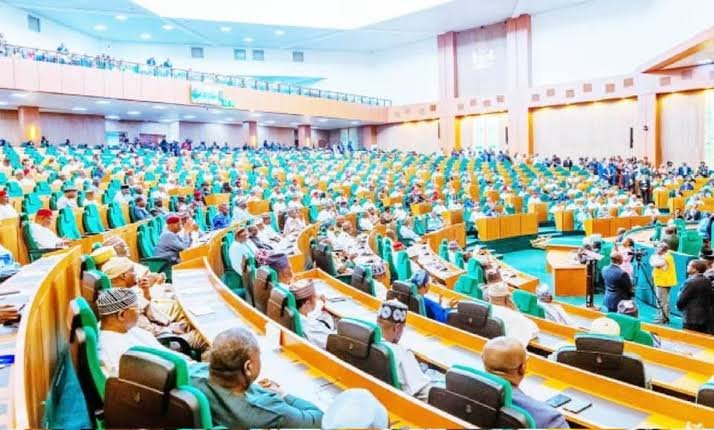
The House of Representatives has passed for second reading a bill seeking to strengthen funding and improve the administration of public senior secondary education in Nigeria.
The proposed legislation would amend the National Senior Secondary Education Commission Act, 2023, with the aim of expanding the coverage of federal interventions and improving the provision of infrastructure and learning resources to eligible schools.
The bill was considered during Thursday’s plenary after being presented by the House Majority Leader, Julius Ihonvbere. The Presidency transmitted the proposed amendment to the House the previous week.
The move comes amid concerns about the condition of public secondary schools, including inadequate funding, deteriorating classrooms, shortages of instructional materials and poorly equipped laboratories.
Under the proposed amendment, federal support would extend to public senior secondary schools across the 36 states and the Federal Capital Territory. The proposed coverage would also include Federal Unity Colleges and senior secondary schools operated by the Armed Forces.
The commission would be empowered to provide eligible institutions with infrastructure, instructional materials and laboratory equipment. The bill proposes changes to Section 20 of the existing Act to accommodate the wider coverage.
Another provision seeks to make the establishment of a Senior Secondary Education Board in each state and the FCT a condition for accessing federal government interventions. The proposed requirement would introduce an institutional framework for managing support to senior secondary schools at state level.
If enacted, the amendment could change how federal assistance is administered and which institutions qualify to benefit. However, the bill’s passage for second reading does not mean its proposals have become law or that the funding arrangements are already in effect.
The proposal must continue through the legislative process, including further consideration by the National Assembly. Any final changes would also require the necessary approval before taking effect.
The legislation focuses on the administration and distribution of federal support rather than immediately resolving every challenge facing secondary schools. Its practical impact would depend on the final provisions adopted, funding available for implementation and the ability of the relevant institutions to deliver resources to schools.
The bill’s progress marks a further step in legislative efforts to review the framework governing senior secondary education and strengthen support for public schools across Nigeria.
Deborah Adeyefa