The Federal Government has defended its proposed $21.7 billion external borrowing programme, insisting that the funds are intended to finance infrastructure and other development projects rather than meet routine government expenditure.
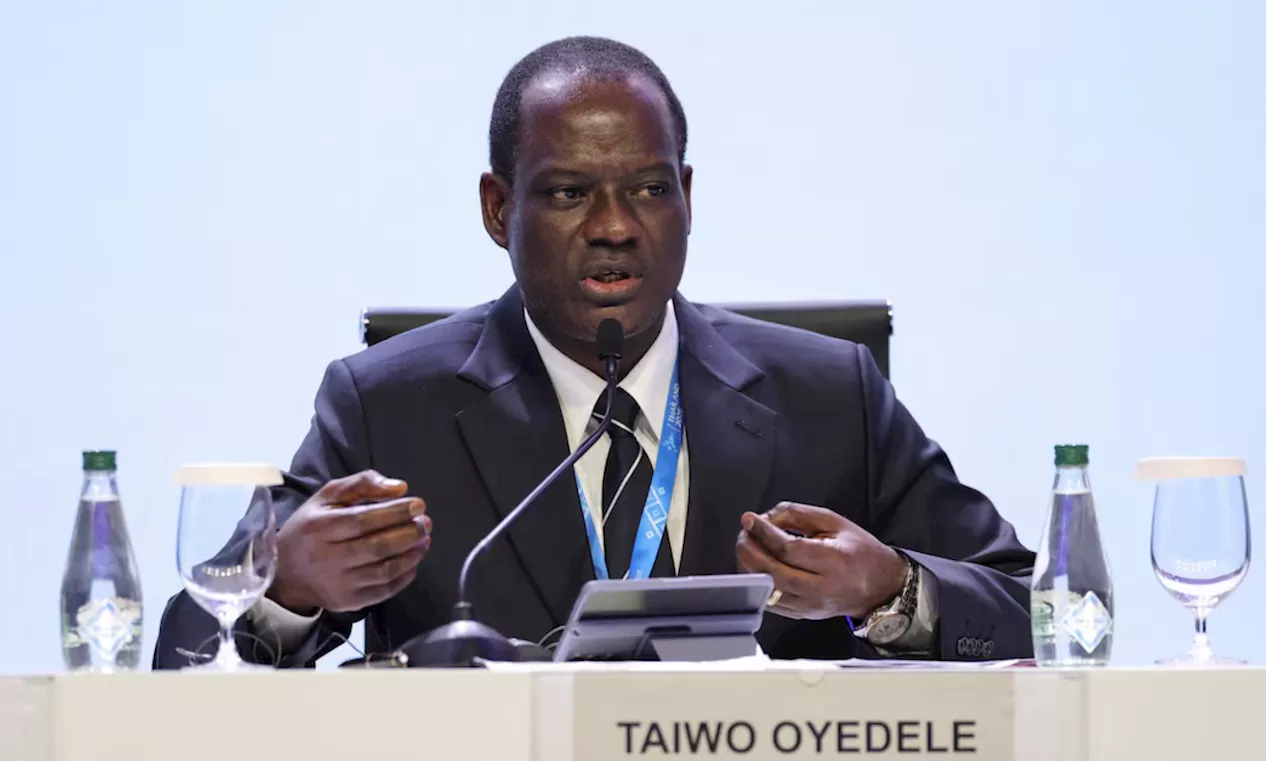
Minister of Finance and Coordinating Minister of the Economy, Taiwo Oyedele, provided the clarification on Wednesday after the Federal Executive Council (FEC) meeting chaired by President Bola Tinubu in Abuja.
Oyedele explained that the proposal, covering five years, had been submitted to the National Assembly but did not represent money already borrowed.
He added that the government might not draw down the entire amount, depending on financing requirements and project implementation.
According to the minister, approximately $10.6 billion has been allocated to transportation infrastructure, including the Sokoto-Badagry and Lagos-Calabar coastal highways and the Kano-Kaduna Metro Rail project.
He disclosed that about $7.9 billion would be sourced from multilateral and bilateral development institutions.
This includes $5 billion in proposed World Bank financing at an average concessional interest rate of 2.1 per cent, compared with an indicative 7.8 per cent rate for commercial borrowing.
Other sectors identified for investment include security, healthcare, agriculture, energy, education, digital infrastructure and social protection.
Oyedele said approximately $4.8 billion would support projects involving state governments, the Federal Capital Territory and other public-sector institutions.
Defending the borrowing strategy, he argued that loans could contribute to economic development when the resulting infrastructure generated benefits greater than the cost of financing.
The minister also presented figures he said demonstrated improvements in Nigeria’s economic performance.
He reported that economic growth increased from 2.74 per cent in 2023 to 4.43 per cent in the second quarter of 2026, while inflation declined to 14.63 per cent in September.
Foreign reserves, he said, had exceeded $55 billion, while the debt-service-to-revenue ratio had fallen from approximately 97 per cent to below 60 per cent.
Despite these reported improvements, Oyedele acknowledged that rising living costs, particularly food prices, continued to place pressure on households.
He disclosed that FEC had adopted a target of reducing inflation to single digits by the end of 2027 or earlier.
The council also endorsed a 90-day programme involving federal, state and local governments to address living costs.
On social interventions, the minister said more than ₦372.6 billion had been disbursed through the Nigerian Education Loan Fund, while cash transfers exceeding ₦600 billion had reached more than 10 million households.
Other financing arrangements considered by FEC included €155.9 million for electricity transmission, $970 million for Kano-Maradi railway rolling stock and €76.8 million for transport infrastructure in Bauchi State.
The council also approved investment in customs inspection scanners to improve cargo clearance and security.
Oyedele maintained that the borrowing programme should ultimately be assessed by the economic value of completed projects and their benefits to Nigerians.
Ezeana Emmanuel