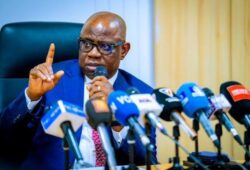


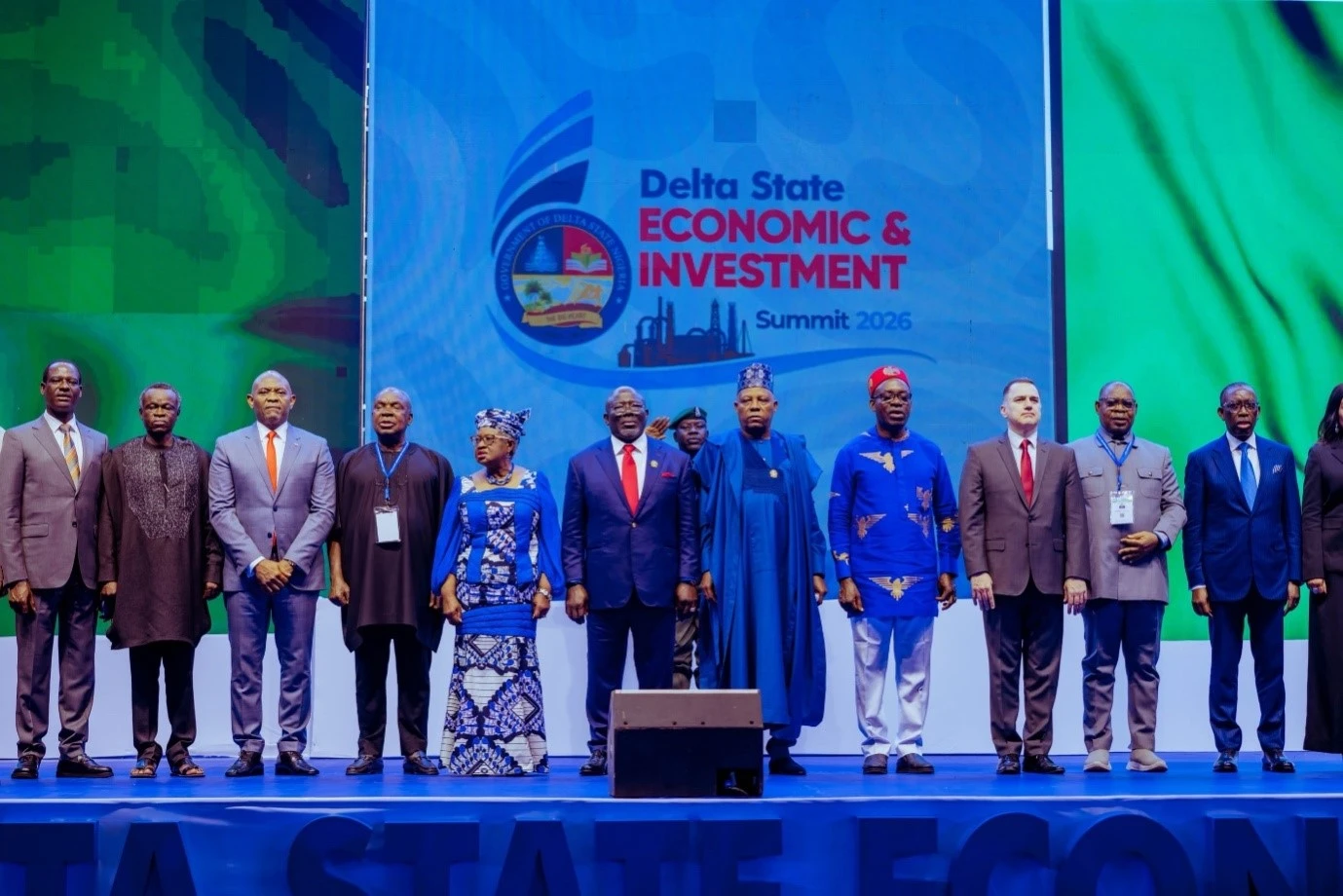
Delta State needs to stop leaning on its old economic playbook and start building deliberately around the sectors where it holds a genuine edge, according to Austin Avuru, founding chairman of Seplat Energy and Chairman of the Delta State Economic and Investment Summit, who used the summit to lay out a roadmap centered on maritime reform, commercial agriculture, and industrial development.
“Going forward, Delta State must intentionally and consciously move beyond the old dependence on traditional economic models. We must deliberately build a strong and sustainable economy based on the unique areas where we enjoy a competitive advantage,” Avuru told attendees, framing the state’s next phase of growth around attracting sustained private investment through policies designed specifically to ease the cost of doing business.
Much of his plan hinges on assets Avuru argues the state has never fully capitalized on, chief among them its maritime infrastructure. Delta State’s four seaports, Warri, Sapele, Koko and Burutu, combined with two interconnected airports and the expressway linking Warri, Uromi, Kwale and Asaba, give the state what he described as the ingredients for a genuine logistics and commercial hub. Realizing that potential, he said, comes down to a specific, tangible step: dredging the waterways feeding into Warri and Burutu ports so they can accommodate larger vessels. He argued that investment alone could multiply cargo traffic several times over, generating jobs and expanding commercial activity across the state, provided it’s paired with sustained maintenance of the roads connecting these assets.
Agriculture featured just as prominently in his pitch, built around a specific proposal for strategic land banking. Avuru suggested the state government acquire, develop, and make available roughly 30,000 hectares of interior land that investors, both local and international, could lease for commercial farming. He sees the approach positioning Delta as a serious producer of oil palm for both domestic use and export, while the same land could simultaneously support large-scale cassava cultivation for food processing and industrial uses like ethanol production.
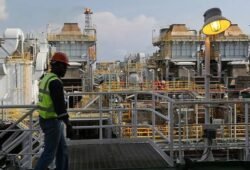
On industrialization, Avuru pointed to existing groundwork rather than starting from scratch, highlighting the industrial park already established in Kwale, where gas infrastructure has been extended to support manufacturing. He argued that reliable gas supply paired with stable electricity would make the location genuinely attractive to investors, while a second industrial park in Koko, benefiting from its seaport location, is naturally suited to agro-processing and export-focused manufacturing.
Looking at the broader trajectory of the administration, Avuru drew a clear distinction between what the first term accomplished and what the next one needs to deliver. “The first term focused on providing critical infrastructure. The second term must concentrate on maximising the economic benefits of those investments,” he said, adding that security has to remain part of that equation, built around a technology-driven approach that protects residents while keeping commerce and movement of people unrestricted across the state.