By Deborah Adeyefa
A cultural festival can fill a venue with colourful clothing, traditional music, dance and local cuisine. But when the performances end and the crowds disperse, an important question remains: what has been done to ensure that the traditions celebrated will survive beyond the event?
For Nigeria, where communities maintain diverse cultural practices, festivals offer an opportunity not only to showcase heritage but also to educate younger generations, encourage cultural exchange and strengthen relationships across states.
This was among the issues discussed at the Welcome2Nigeria Expo 2026 in Abuja, where stakeholders examined ways to preserve and promote the country’s cultural resources.
Angela Okonkwo, a deputy director at the National Council for Arts and Culture (NCAC), explained that the council monitors cultural festivals across states, sends representatives to observe activities and offers guidance to organisers.
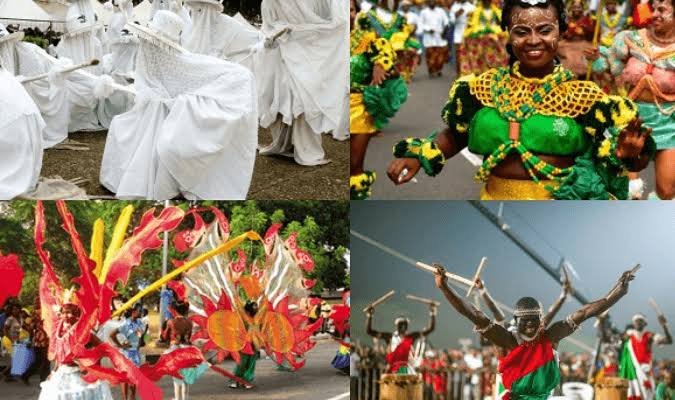
One of the platforms through which cultural diversity is showcased is the National Festival of Arts and Culture (NAFEST). According to Okonkwo, the festival brings states together to present aspects of their traditions, including clothing, beads, food and other cultural expressions.
Beyond the displays, such gatherings can provide opportunities for Nigerians to learn about communities other than their own. They can also create space for cultural exchange and encourage a stronger appreciation of the country’s diversity.
Okonkwo also highlighted cultural quizzes organised for secondary school students as part of efforts to educate young people about their heritage. Such initiatives are important because cultural preservation depends not only on maintaining objects and organising annual celebrations, but also on passing knowledge from one generation to another.
Traditional practices risk becoming unfamiliar to younger people when opportunities to learn about them are limited. Schools, cultural institutions, families and community leaders can help address this by documenting traditions, teaching their histories and involving young people in cultural activities.
Festivals can contribute to that process, but their impact depends on what happens before and after the performances. Documentation, educational programmes and continued engagement with participating communities can help ensure that cultural knowledge is not confined to an event calendar.
There is also an economic dimension. Festivals can create opportunities for artisans, performers, food vendors and other cultural practitioners to present their work to wider audiences. Traditional clothing, beadwork, crafts and cuisine can form part of a broader creative economy when practitioners receive support and have opportunities to reach markets.
However, these benefits cannot be assumed. They depend on effective organisation, sustained funding, public participation and opportunities for cultural practitioners to earn from their work.
Okonkwo identified funding and coordination with state authorities as challenges facing the council’s efforts. This points to a wider difficulty: cultural promotion requires cooperation among institutions with different responsibilities and resource constraints.
Federal cultural agencies may provide coordination and national platforms, but state governments and local communities remain important to the survival of traditions. Community participation is particularly significant because cultural practices derive their meaning from the people who maintain them.
Funding is therefore not simply about staging larger festivals. It can support educational programmes, the documentation of endangered traditions, training for cultural practitioners and opportunities for young people to learn traditional skills.
There is also a need to ensure that cultural promotion reflects the communities themselves. Traditions should not be reduced to performances designed only for visitors; their histories, meanings and contemporary relevance deserve attention.
The Welcome2Nigeria Expo discussions placed collaboration and investment among the issues requiring attention in the tourism and cultural sectors. For cultural festivals to deliver lasting value, those commitments must extend beyond the event venue.
Nigeria’s cultural diversity is an important resource, but its survival cannot depend on celebration alone. It requires deliberate efforts to teach, document, practise and support the traditions that make each community distinctive.
When the music stops and the festival grounds empty, the measure of success will be whether the next generation understands the traditions being celebrated and has the opportunity to keep them alive.