

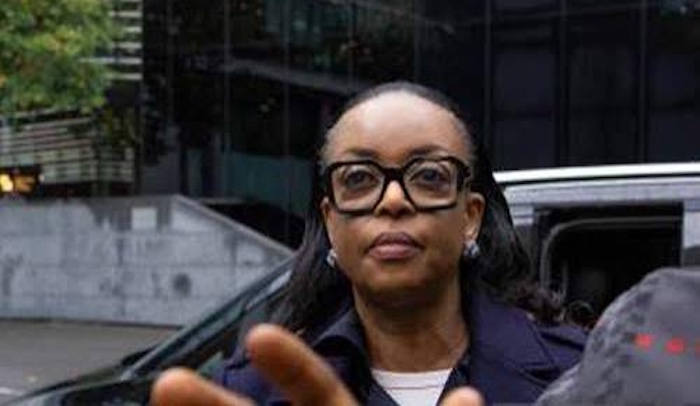
Justice Inyang Ekwo of the Federal High Court, Abuja, has granted an application by former Minister of Petroleum Diezani Alison-Madueke seeking to present evidence of her acquittal by the Southwark Crown Court in London.
The UK court had, on June 17, discharged and acquitted Diezani of criminal bribery allegations brought against her. Her case before Justice Ekwo, filed separately, seeks the return of assets forfeited to the Nigerian state, a claim that sits within Nigeria’s non-conviction-based asset forfeiture framework. Under that framework, the Economic and Financial Crimes Commission can pursue the forfeiture of assets suspected to be proceeds of crime through civil proceedings, independent of whether a criminal conviction is secured against the asset owner. That distinction is central to why the UK acquittal, a criminal outcome in a foreign jurisdiction, does not automatically resolve the Nigerian civil forfeiture matter, but can still be introduced as evidence relevant to the underlying allegations.
At Wednesday’s proceedings, Diezani’s lawyer, Godwin Iyinbor, and the EFCC’s counsel, Mofesomo Oyetibo, first regularised the various processes already filed in the matter. Iyinbor then sought leave to move a motion on notice, filed on June 25, asking the court for permission to submit a further and supplementary affidavit. He told the court the affidavit was meant to bring the UK acquittal before the court as a fresh and material development relevant to the case, and asked that it be deemed properly filed.
Oyetibo confirmed the EFCC had been served with the application. He remarked that the motion appeared intended to waste the court’s judicial time, but when Justice Ekwo asked directly whether the commission intended to oppose it, Oyetibo said the EFCC was not objecting. That decision not to contest the motion is notable in itself, since it clears the way for the acquittal evidence to become part of the record without a fight over admissibility, even as the commission’s broader position on the forfeiture claim remains unresolved.
With no opposition on record, Justice Ekwo granted the motion as requested. He adjourned the matter to October 6, when he ruled that both a pending preliminary objection and the substantive suit will be heard together, meaning the court will need to first determine whether it even has proper grounds to proceed before addressing the merits of Diezani’s bid to reclaim her forfeited assets.
The case is one of several legal fronts on which Diezani has faced scrutiny since leaving office, spanning both Nigerian asset recovery efforts and foreign criminal proceedings tied to allegations from her tenure as petroleum minister. The UK acquittal does not end that scrutiny, but it does hand her legal team a new piece of evidence to press in the domestic forfeiture fight.