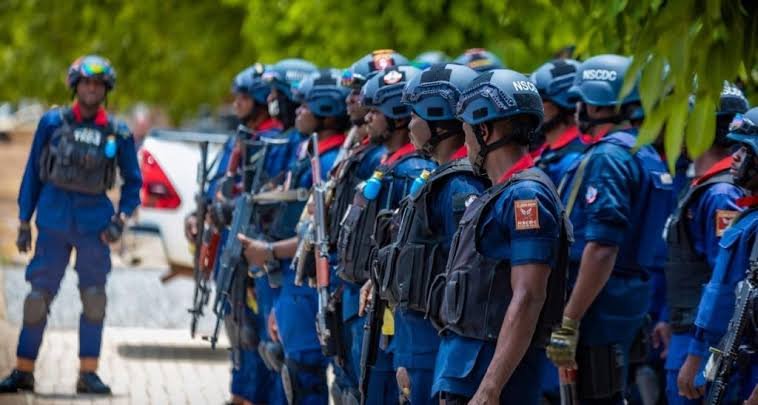
The identities of the 37 suspected illegal miners who died while in the custody of the Nigeria Security and Civil Defence Corps (NSCDC) in Niger State have been released, as calls for accountability and justice continue to mount over the tragedy.
The names were compiled by the International Human Rights Commission (IHRC), which said the list would serve as part of efforts to support affected families and facilitate compensation for relatives of the deceased.
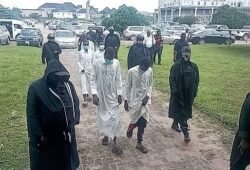
The victims were among dozens of suspected illegal miners arrested during security operations conducted on September 15 and 16 around the Lt. Gen. Mohammed Inuwa Wushishi Estate in Minna, Niger State. The incident has attracted widespread public attention following reports that scores of detainees died while being held in NSCDC custody.
According to International Peace Ambassador Awaisu Giwa of the IHRC, the initial records were obtained from the General Hospital in Minna, where many of the bodies were taken after the incident. He added that four additional names were later supplied by family members and verified before being included in the final compilation.
Among those listed are Ibrahim Sani, Fahad Sa’adu, Abdulsalam Ismail, Usman Aliyu, Abubakar Alhaji, Sani Nasir, Sanusi Khalid, Ahmad Aliyu, Safiyanu Abdullahi, Suleiman Dantala, Idris Haruna, Sani Yakubu, Safiyanu Abubakar, Abdullahi Abubakar, Abubakar Musa, Abdul Mudassir, Suleiman Lawal, Usman Abdullahi, Samuel Sambo, Ibrahim Musa, Yusuf Nasiru, Umar Lawal, Isyaku Amisu, Bissallah Adamu, Abdulbari Suleiman, Shafisu Lado, Usman Ahmad, Usman Ibrahim, Sani Isyaku, Musa Ibrahim, Idris Bashir, Kabiru Suleiman, Emmanuel Emeka, Mu’awiya AbdulKarim, Abdul Gafar Abubakar, Usman Haruna and Yaro Salihu Soba.
The release of the names comes amid ongoing investigations into the circumstances surrounding the deaths. The former Niger State NSCDC Commandant was earlier suspended after the Federal Government ordered a full probe into the incident.
Initial explanations from the state command suggested that a disease outbreak may have contributed to the deaths. However, the incident has generated intense scrutiny from human rights organisations, civil society groups and legal advocates, many of whom have demanded a transparent investigation and prosecution of anyone found culpable.
The tragedy has reignited concerns over detention conditions, overcrowding and the treatment of suspects in custody. Human rights advocates argue that establishing the identities of the victims is an important step toward ensuring accountability and providing support to grieving families.
As investigations continue, attention remains focused on the findings of federal authorities and the measures that may be taken to prevent similar incidents in the future.