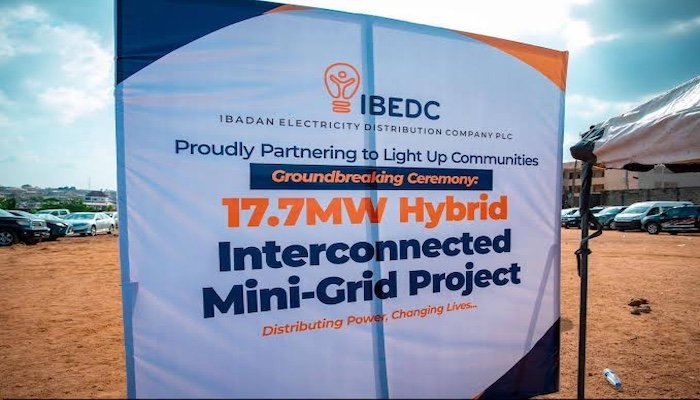
The Federal Government has commenced construction of five interconnected mini-grid electricity projects with a combined capacity of 17.7 megawatts in Oyo State, as part of efforts to expand electricity access and improve power reliability for households and businesses.
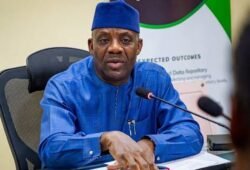
Minister of Power Joseph Tegbe announced the development during the projects’ groundbreaking ceremony, saying the initiative was designed to reduce dependence on generators and support economic activity in beneficiary communities.
The projects are located in Akinyele, Ido, Ibadan North, Egbeda and Lagelu local government areas. They comprise the Bola, Jiboye, Molade-Adelubi, Ogo Oluwa and Sooko-Elega interconnected mini-grids.
According to the minister, the initiative also includes a battery energy storage system with a capacity of 17.74 megawatts, intended to support electricity supply and improve reliability.
Tegbe said the projects formed part of the Federal Government’s wider electricity access programme under President Bola Tinubu’s Renewed Hope Agenda. Improved power supply, he noted, could help households meet their energy needs while enabling businesses to operate for longer periods and potentially create jobs.
The minister acknowledged the contributions of the Rural Electrification Agency, Paras Energy and Natural Resources Development Limited, the World Bank and the Ibadan Electricity Distribution Company to the initiative.
He also commended the Oyo State Government, traditional rulers, community leaders and residents for supporting the projects, specifically recognising the involvement of the Olubadan of Ibadanland.
Tegbe said similar interventions supported by the Rural Electrification Agency had been implemented in communities across Kwara, Niger, Nasarawa, Plateau, Adamawa and Kaduna states.
The mini-grid projects are expected to strengthen electricity access in the selected communities, although the actual benefits will depend on completion, commissioning, network integration and the reliability of operations after construction.
Addressing concerns about a possible electricity tariff increase, Tegbe dismissed reports that the Federal Government planned to raise rates. He said the administration’s priority was to improve the quality and availability of electricity, with the broader goal of achieving round-the-clock supply.
He also outlined three proposed energy corridors as part of the government’s wider electricity development plans: the Lagos-Ogun corridor, the Abuja-Kaduna-Kano corridor and the Benin-Enugu-Port Harcourt corridor.
The projects come amid persistent concerns about electricity reliability and the cost of alternative power sources for Nigerian households and businesses. Many enterprises rely on generators when grid supply is insufficient, adding to their operating expenses.
By expanding mini-grid infrastructure, the government aims to provide additional supply options and support communities that need more dependable electricity. The projects’ eventual impact will depend on how effectively the infrastructure is delivered and maintained, and whether improved supply translates into more affordable and reliable power for users.
Deborah Adeyefa