


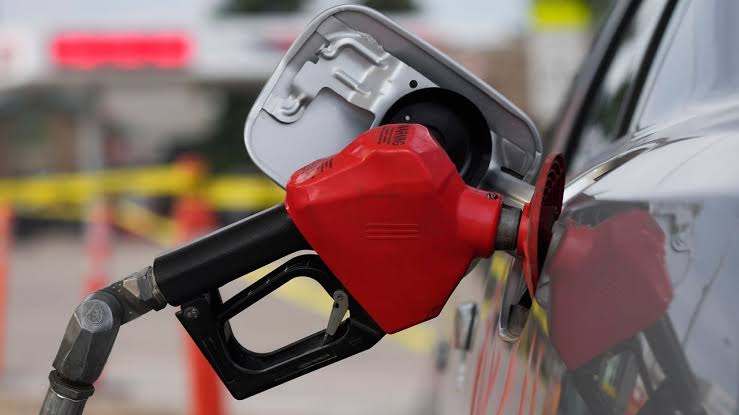
The Federal Government has directed the Nigerian Midstream and Downstream Petroleum Regulatory Authority (NMDPRA) to ensure petroleum marketers do not exploit Nigerians through excessive pricing under the deregulated downstream market.
Minister of State for Petroleum Resources (Oil), Senator Heineken Lokpobiri, gave the directive in Abuja while delivering the keynote address at the NMDPRA General Counsel and Legal Advisers Forum, themed “Beyond Compliance: Driving Regulatory Certainty and Investment Confidence in Nigeria’s Petroleum Sector.”
Lokpobiri noted that despite the de-escalation of tensions between Iran and the United States and a sharp decline in global crude prices from a peak of $120 per barrel to about $72 last week, pump prices for petrol had not seen a corresponding downward adjustment. “While we believe that market forces will eventually restore equilibrium, the regulator also has a statutory responsibility to ensure that deregulation does not become an avenue for profiteering,” he said.
He also charged the agency with intensifying monitoring to ensure consumers receive the correct quantity of fuel purchased, stressing that anyone paying for 10 litres should receive exactly that. He attributed Nigeria’s avoidance of fuel shortages during recent geopolitical tensions to deregulation and the growing role of domestic refineries, while urging regulators to build the institutional discipline needed to give investors confidence beyond the architecture already provided by the Petroleum Industry Act.
NMDPRA Chief Executive Rabiu Umar said the industry had reached a stage where regulatory certainty and investor confidence mattered as much as compliance, while the agency’s Secretary and Legal Adviser, Joseph Tolorunse, said the PIA had made the sector more competitive and attractive to investment.
Depot prices across Lagos, Port Harcourt, Calabar, and Warri showed marginal movements, with most PMS prices easing by between N1 and N6 per litre, even as diesel prices in Port Harcourt rose by as much as N68 per litre at some terminals.
Industry voices offered differing explanations for the slow pass-through of falling crude prices to pump prices. Osagie Ogedegbe of 11 Plc said Dangote Refinery’s dominant market position meant other marketers largely followed its pricing, though he expected prices to decline soon given naira stability. Energy expert Atiemoria Ebhodaghe attributed the lag to a “rockets and feathers” pricing pattern, where marketers raise prices quickly but delay passing on savings, compounded by the dollar-pegged valuation of locally purchased crude. An anonymous MEMAN operator said marketers were still recovering losses accumulated over 18 months and would only reduce prices gradually.
Petroleumprice.ng said consumers were yet to benefit from recent market adjustments, while OGSPAN President Mazi Colman Obasi blamed the lag on the absence of a fully responsive deregulated market.
The Nigeria Labour Congress blamed the Federal Government directly, accusing it of allowing a monopoly to take hold in the downstream sector. “We warned government against creating a monopoly in the downstream petroleum industry. Unfortunately, our fears have now been confirmed,” an NLC official said, calling for immediate steps to dismantle monopolistic practices and strengthen regulatory oversight.