Nigerian students will be able to access approved digital learning platforms without paying for internet data under a new Federal Government initiative aimed at widening access to education.
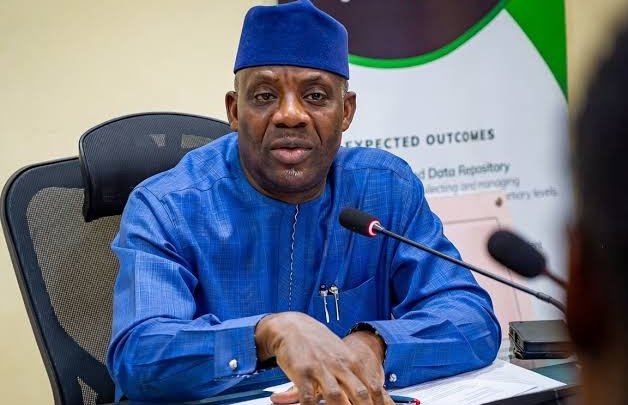
The programme, known as the Initiative for Zero-Rated Access to Educational Platforms and Content in Nigeria, was unveiled on Thursday by the Minister of Education, Dr Tunji Alausa.
Alausa said the cost of internet access should not determine whether a child can obtain quality educational materials, particularly as many families continue to struggle with the cost of data.
“This initiative goes beyond connectivity. It is about putting learning within reach of children who may otherwise be unable to afford the data required to access it,” the minister said.
The government said the policy would be particularly important for learners in underserved and remote communities where access to conventional educational facilities remains limited. Nigeria’s education sector continues to face challenges including a large out-of-school population, inadequate learning facilities, unreliable electricity, limited internet connectivity and low levels of digital literacy.
According to Alausa, removing data costs could turn mobile phones, tablets and computers into learning spaces for children who might otherwise be excluded from digital education.
He said poverty or geographical location should not determine the quality of education available to Nigerian children, adding that the initiative forms part of the digital transformation programme under President Bola Tinubu’s Renewed Hope Agenda and the Nigeria Education Sector Renewal Initiative.
The ministry is also developing digital systems to improve education management nationwide. These include the Nigeria Education Data Infrastructure, the Digital Nigeria Education Management Information System and the Learner Identification Number.
However, Alausa stressed that the success of the programme would not be judged simply by the number of devices distributed or platforms made available. Rather, its impact would be measured by whether learners are reached and whether their educational outcomes improve.
Nigeria has previously implemented zero-rated educational services, including the Nigeria Learning Passport, developed by the Federal Government, UNICEF and other partners.
Alongside expanding access, the government is also considering stronger safeguards for children online. Alausa disclosed plans for regulated internet access for children below 16 as part of efforts to protect them from cyberattacks and other online dangers.
“At some point, there would be regulated internet access for every child below the age of 16 years as part of measures to strengthen online child protection,” he said.
The minister called for cooperation among federal and state authorities, the Nigerian Communications Commission, telecommunications operators, technology companies, development partners, schools and teachers.
He said the broader objective was to ensure Nigerian children become not only consumers of technology but also creators and innovators capable of using digital tools to solve problems.