The Federal Government says ₦422.3 billion has been released under the Basic Health Care Provision Fund (BHCPF) from its first disbursement in 2019 to September 2026, with ₦323.6 billion distributed to health facilities and other programme areas.
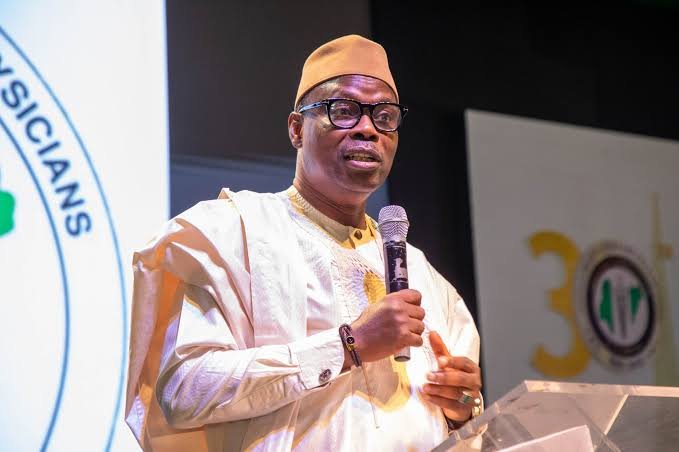
Minister of State for Health and Social Welfare, Dr Adekunle Salako, disclosed the figures on Wednesday in Abuja while presenting a three-year review of the fund’s implementation.
Salako said approximately ₦290.2 billion of the total disbursed amount was released under President Bola Tinubu’s administration, representing a substantial share of the fund’s cumulative disbursements.
He added that releases to the fund had increased, rising from ₦51.6 billion in 2023 to ₦132.2 billion between January and September 2026.
The minister said total disbursements, which stood at ₦323.6 billion as of September, were expected to increase to ₦364.3 billion following approval of an additional ₦40.76 billion for the third quarter of the year.
The government is also working with the National Assembly to raise the fund’s statutory allocation from one per cent to two per cent, in a move intended to strengthen domestic financing for basic healthcare.
Established under the National Health Act of 2014, the BHCPF is designed to improve access to essential health services, particularly for poor and vulnerable Nigerians. Its areas of support include health insurance, direct financing for primary healthcare facilities, emergency medical services and disease surveillance.
According to the minister, the programme currently supports service delivery at 8,309 primary healthcare centres across the 36 states and the Federal Capital Territory. Plans are underway to bring another 5,212 facilities into the programme, taking the projected total to 13,521.
Salako also reported growth in national health insurance enrolment, from about 16.2 million people in 2023 to 23.06 million by the third quarter of 2026.
The government says the fund remains a key mechanism for improving primary healthcare access and reducing the financial barriers that prevent vulnerable Nigerians from obtaining essential services.
Deborah Adeyefa