

The Federal Government is set to scrap the current separation of Junior Secondary School (JSS) and Senior Secondary School (SSS) into different institutions following the alarming dropout of over 20 million pupils from the basic education system.
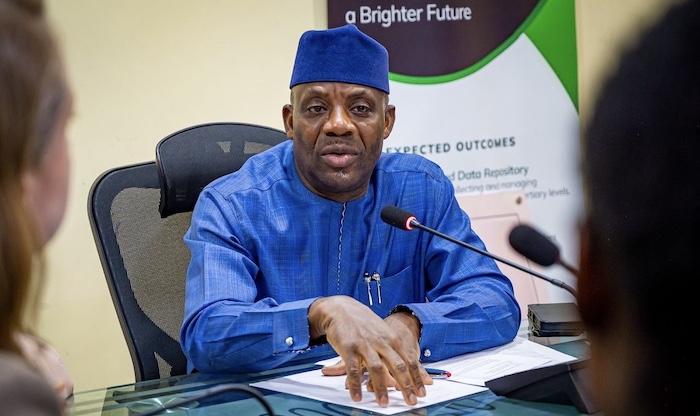
The Minister of Education, Prof Tahir Mamman, disclosed this on Wednesday during a stakeholders’ meeting in Abuja. He described the dropout rate as unacceptable and a national emergency. Mamman said the policy of separating JSS and SSS has contributed significantly to the high dropout figures, especially among girls in rural areas. The government is now considering a return to the 6-3-3-4 system or a modified version that ensures smoother transition and retention of students.
The minister appealed to state governments and development partners to support the planned reforms to reverse the trend and improve access to quality education. This proposed policy reversal is expected to generate intense debate among educationists and policymakers. The decision reflects growing concern over the declining state of basic education in Nigeria, where millions of children are out of school due to various socio-economic factors.
The separation of JSS and SSS was introduced to create a more specialised secondary education system. However, critics argue that the policy has created unnecessary barriers, particularly for students in rural and underserved areas who struggle with the transition between different institutions. Many parents have cited distance, cost of transportation, and lack of continuity as major reasons for withdrawing their children from school.
Prof Mamman emphasised that the government is committed to ensuring every child has access to uninterrupted education from primary through secondary levels. He noted that the planned reforms will focus on improving infrastructure, teacher training, and curriculum alignment to make the transition seamless. Stakeholders at the meeting welcomed the proposed changes, calling for urgent implementation to stem the tide of dropouts.
Education experts have long warned that the high dropout rate poses a serious threat to Nigeria’s human capital development and future economic growth. The policy reversal is seen as a bold step towards addressing systemic challenges in the education sector. State governments are expected to play a key role in the successful implementation of the new framework.
The minister assured that the federal government will work closely with states and relevant agencies to ensure the reforms are effectively rolled out. He also called for increased investment in basic education infrastructure and teacher welfare to support the new policy direction. The announcement has raised hopes among parents and education advocates that the government is finally taking concrete steps to tackle the crisis of out-of-school children.
As the nation prepares for the policy shift, educationists have urged the government to ensure adequate consultation with all stakeholders to achieve a robust and sustainable system. The proposed changes are expected to have a significant impact on enrolment, retention, and completion rates in secondary education across the country.