

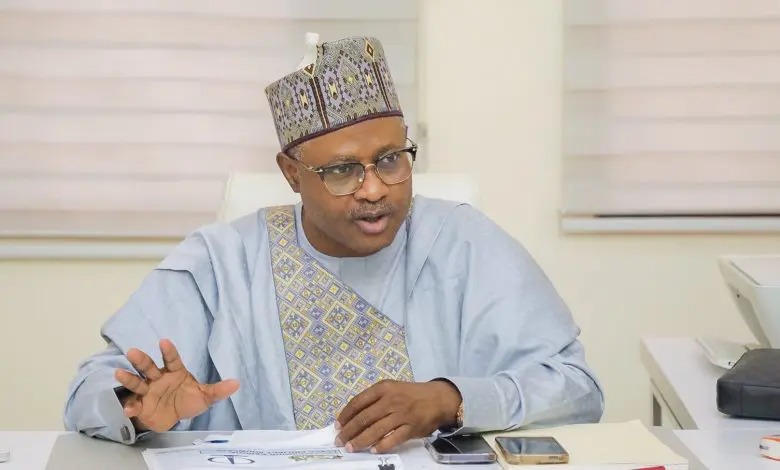
Butchers in Kaduna State say a state government overhaul of abattoir infrastructure has cut losses, improved hygiene, and raised their earnings, with the Sabon Gari Branch of the Butchers Association of Nigeria crediting Governor Uba Sani’s administration for installing modern cold-chain facilities across the state’s three senatorial districts.
The association singled out the Zango Shanu Modern Abattoir in Sabon Gari Local Government Area for praise, describing its rehabilitation as long overdue. Alkasim Mai-Nama, speaking for the group, said butchers previously had no way to store unsold meat and were forced to throw it away. With cold rooms now in place, he said, meat can be kept and sold later, cutting waste and boosting daily income. He added that better sanitary conditions at the facility have also given the public more confidence in the meat sold there.
Jamilu Umar, the association’s vice chairman for the Sabon Gari branch, called it the most extensive rehabilitation the abattoir has seen since it was built in the early 1980s. He said butchers had worked for more than three decades without functional drainage for blood disposal, with poor water supply and no cold storage, and that the current upgrade has restored dignity to their work while improving public health standards at the site.
Security was a separate concern. The Sarkin Fawan Badawa, Musa Abubakar, said a new perimeter fence has protected butchers and livestock traders from the encroachment and theft that plagued the unfenced abattoir for over 30 years. He said the improved infrastructure has drawn traders from neighbouring Katsina and Zamfara states, expanding commercial activity in the area.
Kaduna’s Commissioner for Agriculture, Murtala Dabo, tied the abattoir upgrades to a broader livestock strategy. He said the administration has given 19 pastoralist communities pasture fields and solar-powered boreholes, aimed at reducing seasonal herder migration and easing farmer-herder tensions by keeping pastoralists settled with reliable grazing and water access.
On infrastructure, Dabo said the state has built three modern abattoirs, in Kawo (Kaduna North), Kafanchan (Jema’a) and Zango Shanu (Sabon Gari), along with 21 slaughterhouses across the state. The facilities include cold rooms, deep freezers, display refrigerators, hygienic meat shops, solar boreholes and water-heating systems, designed to keep meat processing and storage safe from slaughter through sale.
Dabo said the Zango Shanu upgrade in particular reflects the administration’s broader goals for the sector: better public health, stronger food safety standards, less waste, higher incomes for those in the livestock trade, and a long-term push to position Kaduna as one of Nigeria’s leading hubs for livestock production and meat processing.