


There was a time when many Nigerians worried primarily about armed robbery.
Today, the country’s security concerns have evolved into a far more complex challenge.
From terrorism in the North-East to banditry in the North-West, kidnappings along major highways, communal clashes, farmer-herder conflicts and emerging threats in parts of the South, insecurity has become one of the defining issues of modern Nigeria.
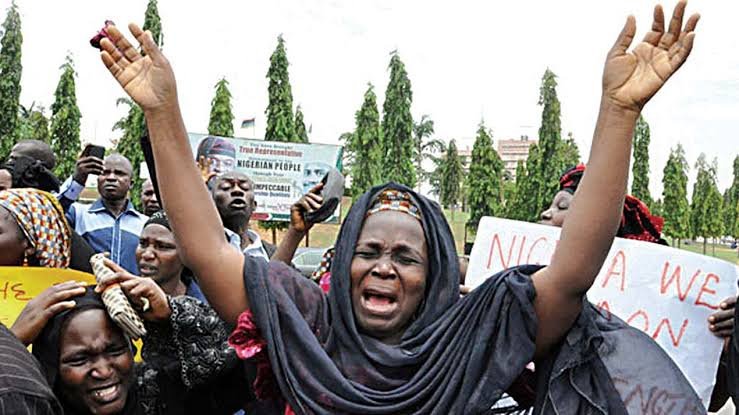
For millions of citizens, the fear is no longer limited to what happens after dark. In many communities, insecurity influences where people live, how they travel, where they farm and even whether children can safely attend school.
Yet the story of insecurity in Nigeria is not simply one of rising threats. It is also a story of changing security realities, evolving criminal networks and ongoing efforts by government and security agencies to restore public confidence.
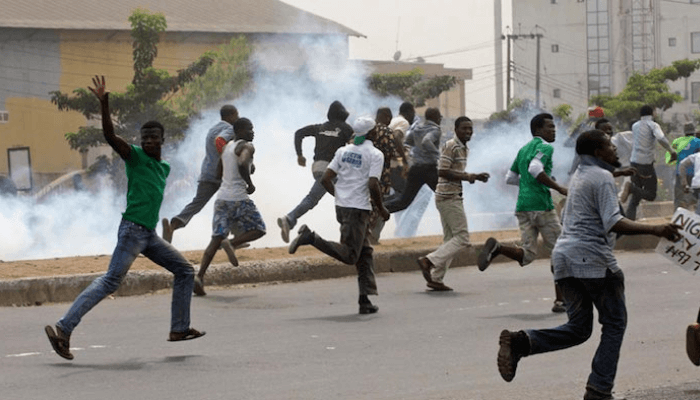
How did Nigeria get here? Nigeria has always faced security challenges, but the nature of those threats has changed significantly over the decades.
In the 1980s and 1990s, armed robbery was widely regarded as one of the country’s most pressing security concerns. Criminal gangs targeted homes, highways and commercial centres, prompting the creation of special security operations across the country.
The early 2000s saw the emergence of militancy in the Niger Delta, driven by grievances over environmental degradation and resource control.
By the late 2000s, the Boko Haram insurgency had emerged in the North-East, transforming Nigeria’s security landscape and drawing military resources into a prolonged counter-insurgency campaign.
Over time, new threats emerged.
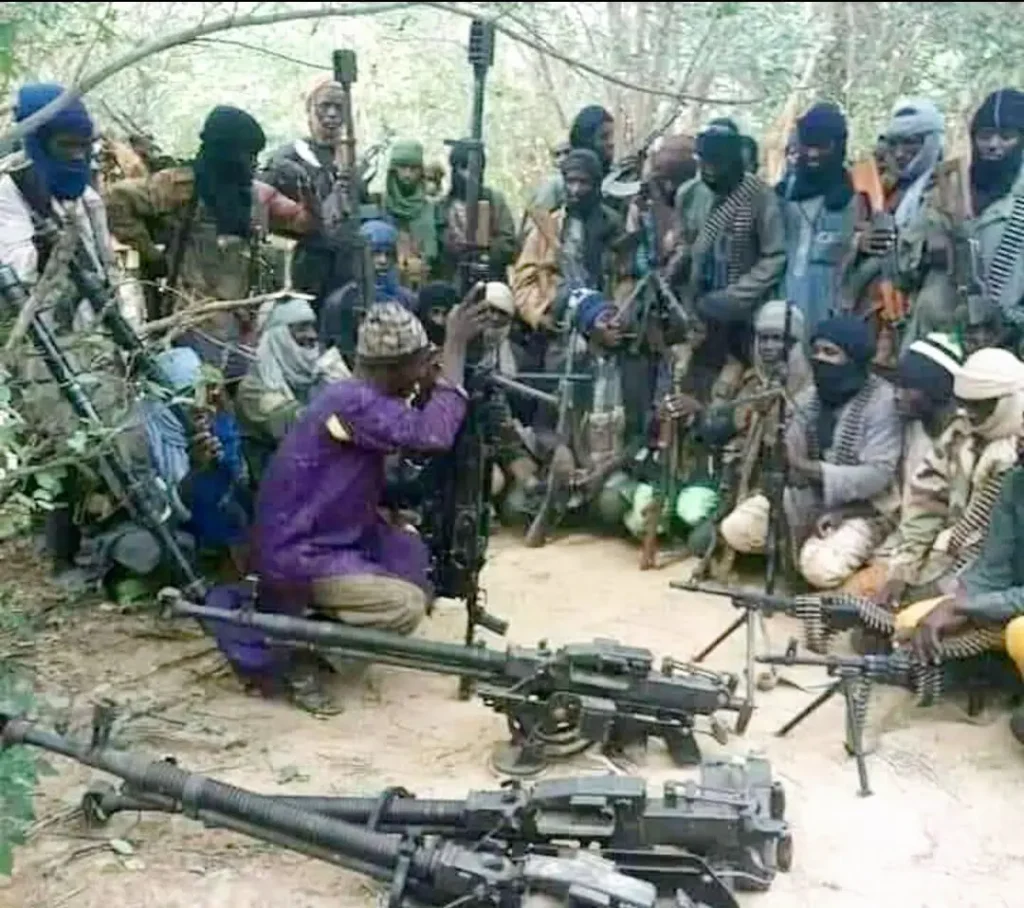
Bandit groups expanded operations across parts of the North-West and North-Central. Kidnapping for ransom evolved into a lucrative criminal enterprise. Attacks on farming communities affected food production, while insecurity along major roads disrupted economic activities.
What was once a largely regional security challenge gradually evolved into a national concern.
Security analysts have pointed to multiple factors behind the changing nature of insecurity in Nigeria.
These include weak governance in remote areas, unemployment, poverty, porous borders, illegal arms proliferation, communal tensions and the activities of organised criminal networks.
The vast size of the country has also stretched security resources.
Nigeria’s police force remains centrally controlled despite serving a population of more than 200 million people. Critics of the existing structure argue that a centralised policing system often struggles to respond quickly to local threats, particularly in rural communities.
The push for state police, one of the most significant security reforms currently under discussion is the creation of state police.
President Bola Tinubu has repeatedly described state police as a necessary response to Nigeria’s evolving security challenges. In February 2026, he urged the Senate to amend the Constitution to accommodate state police, arguing that decentralised policing would strengthen grassroots security and improve intelligence gathering.
The proposal has gained momentum.
In June 2026, the Senate approved a constitutional amendment bill that would allow states to establish their own police forces while the federal police retain responsibility for national security matters such as counterterrorism and border protection. The proposal still requires approval by two-thirds of state assemblies before it can become law.
Supporters argue that state police would improve local response times and strengthen community-based security.
Critics, however, fear that state governments could misuse such forces for political purposes.
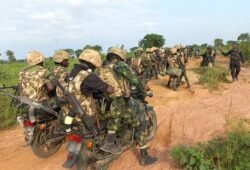
What is the government doing? Since assuming office in 2023, President Tinubu’s administration has repeatedly stated that security remains a top priority.
The administration retained a multi-agency approach involving the armed forces, police, intelligence services and other security agencies.
The President has also called for stronger cooperation between federal and state authorities while emphasising the need to reclaim forests and ungoverned spaces used by criminal groups.
Nigeria’s defence leadership has similarly maintained that security operations are being intensified across various theatres of operation, including areas affected by terrorism, banditry and kidnapping.
Security agencies have continued to report arrests of criminal suspects, rescue operations involving kidnap victims and the neutralisation of armed groups in different parts of the country.
Government officials have consistently assured Nigerians that efforts are underway to improve security.
President Tinubu has repeatedly stated that his administration will continue to strengthen security institutions and support ongoing operations against criminal groups.
The security establishment has also emphasised intelligence-driven operations, inter-agency collaboration and the deployment of modern technology as part of broader efforts to tackle emerging threats.
Officials argue that long-term success will require not only military action but also stronger policing, community engagement and improved intelligence gathering.
Has Nigeria become safer? The answer depends largely on location and perspective.
In some communities, residents report improvements resulting from increased security deployments and targeted operations.
In others, concerns about kidnappings, bandit attacks and communal violence remain significant.
What is clear is that insecurity continues to be one of the most important issues facing the country.
The challenge for policymakers is not merely responding to attacks after they occur, but building institutions capable of preventing them.
The debate over insecurity in Nigeria is ultimately a debate about the future of governance, policing and national stability.
The proposed state police system represents one of the most ambitious security reforms in recent years. If implemented, it could reshape the country’s approach to law enforcement and local security management.
But security experts agree that no single reform will solve Nigeria’s security challenges overnight.
Addressing insecurity will require sustained investment in policing, intelligence gathering, border management, technology, economic opportunities and community engagement.
For millions of Nigerians, the hope remains simple: a country where children can attend school without fear, farmers can return safely to their fields, businesses can operate freely and citizens can travel the nation’s roads with confidence.
Whether that goal can be achieved may depend on how effectively today’s reforms are translated into lasting security gains tomorrow.