

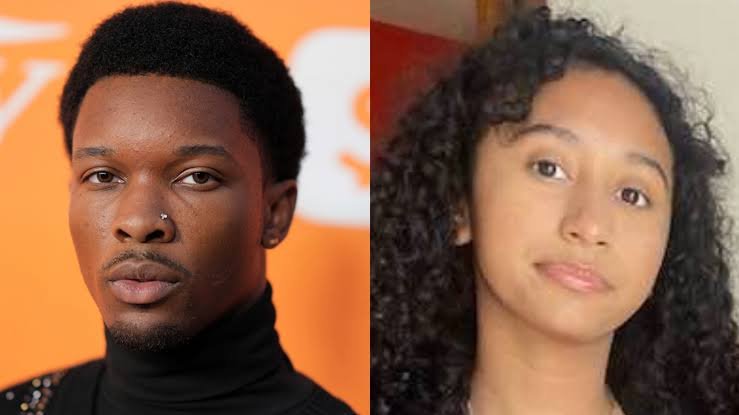
A Los Angeles judge has ruled that singer D4vd must face trial on charges connecting him to the death and dismemberment of a 14-year-old girl, finding sufficient evidence after a five-day preliminary hearing that stretched deep into the singer’s private life and his relationship with the victim.
Judge Charlaine Olmedo’s decision came after prosecutors laid out a timeline built around text messages, financial records, and forensic evidence tying the 21-year-old performer, whose legal name is David Anthony Burke, to the death of Celeste Rivas Hernandez. Her decomposing body was discovered in September 2025 inside the trunk of a Tesla registered to Burke, after the vehicle had been towed to an impound lot in Hollywood.
At the center of the prosecution’s case is an allegation that Burke and Hernandez had been in a sexual relationship since she was 13 and he was 18, a relationship prosecutors say became a threat to his career just as it was taking off. According to their timeline, Hernandez grew jealous over another woman in Burke’s life and, roughly 24 hours before her death and three days before his debut album released, sent him a series of threatening messages vowing to expose the relationship and end both his career and his life. Prosecutors allege Burke responded by arranging an Uber to bring her to his home, where he then fatally stabbed her.
The physical evidence presented in court painted a disturbing picture of what allegedly followed. Prosecutors pointed to Amazon purchase records showing Burke had bought chainsaws, an inflatable pool, and a small incinerator described in court as a “burn box,” one prosecutors say ultimately proved too small to dispose of Hernandez’s body.
Burke has pleaded not guilty to a single count each of murder, continuous sexual abuse of a child under 14, and unlawful mutilation of human remains, charges that carry the possibility of life imprisonment or the death penalty if he is convicted.
The hearing also surfaced complicated details about the relationship’s history. Testimony indicated Hernandez’s family knew about her involvement with Burke and had given written permission for her to travel with him to London in September 2024. The two later broke up that November but stayed in touch, and evidence presented at the hearing indicated Hernandez had become pregnant by Burke and had an abortion.
Burke’s defense team pushed back hard against the prosecution’s framing, arguing that Hernandez had a history of violent behavior toward the singer and had been diagnosed with bipolar disorder alongside expressing suicidal thoughts. Defense attorney Blair Berk maintained there was no clear evidence of deliberate intent to kill. Prosecutor Beth Silverman rejected that characterization outright, arguing nothing about the case resembled an accident, and accused the defense of trying to shift blame onto the victim. Patrick Steinfeld, an attorney representing Hernandez’s family, was more pointed still, calling the defense’s approach abhorrent for attempting to assign fault to a child.
D4vd, who first gained wide attention in 2022 after his song “Romantic Homicide” went viral on TikTok and went on to perform at Coachella, is due back in court Friday, when a judge will set the schedule for trial.