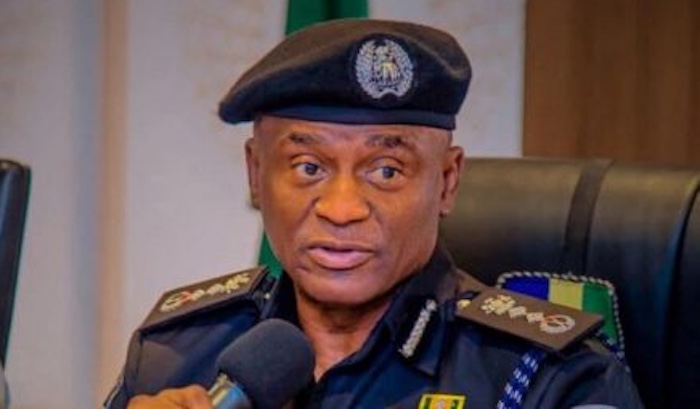
Inspector-General of Police, Olatunji Disu, has assured Nigerians that the country’s 2027 general elections will be conducted under adequate security despite escalating banditry, jihadist attacks and other forms of violence across the country.
Disu, who spoke to AFP in Abuja, said the police were preparing personnel to ensure voters can safely participate in the January polls, when President Bola Tinubu is expected to seek a second term.
“We will have safe and secure voting in the country,” the police chief said, adding that officers were undergoing training aimed at improving their ability to deliver what he described as a “perfect election in 2027”.
His assurance comes against the backdrop of Nigeria’s long history of election-related violence. Rights groups have accused politicians of using thugs to intimidate opponents and suppress dissent, while ethnic clashes have also marred previous electoral periods.
Addressing concerns over voting in northern communities affected by years of insurgency, kidnapping and armed banditry, Disu said citizens would still be able to cast their ballots.
“Definitely people will be able to vote,” he said.
However, some Nigerians have told AFP that insecurity has made them reluctant to travel to their home communities, where they are registered to vote.
Disu said the police were coordinating with the military and other security agencies to restore peace across the country. The challenge remains significant, with the conflict monitor ACLED describing the period since 2024 as Nigeria’s most violent in almost three decades.
The police are also undergoing reforms intended to address longstanding concerns over manpower, public confidence and operational capacity. The Federal Government is pursuing constitutional changes that could establish police forces controlled by Nigeria’s 36 states.
Disu expressed support for the proposal, saying state police could respond more effectively to local security challenges. He added that the federal police would retain oversight and that national standards would guide training.
Meanwhile, Disu said the Nigeria Police Force was seeking to expand its workforce from just under 300,000 personnel to about 350,000 following a presidential directive. He also disclosed that recruitment, which he said had lagged under previous administrations, would resume more regularly.
Technology is another area of focus. The police currently have 25 personnel undergoing specialised drone training, while artificial intelligence is being used to analyse security data and identify patterns linked to banditry, insurgency and robbery.
Despite the reform efforts, public distrust remains a major challenge, particularly following the 2020 #EndSARS protests against police brutality.
Disu urged Nigerians to report misconduct by officers but defended the force against criticism over recent security failures, saying police personnel were confronting increasingly dangerous conditions.
“We are losing officers daily,” he told AFP.