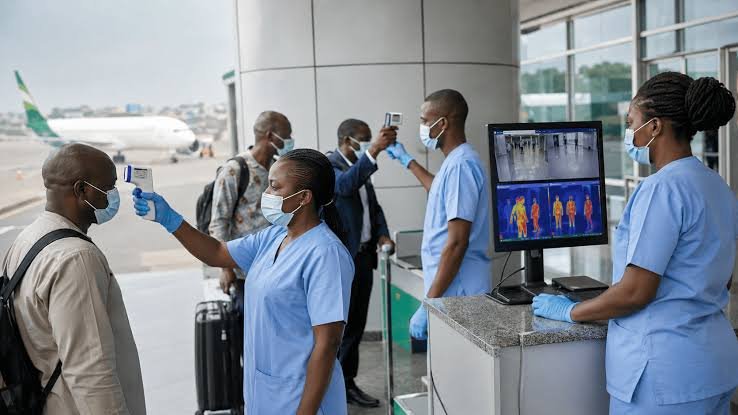
Nigeria has stepped up surveillance and preparedness measures following the continued spread of Ebola Virus Disease in the Democratic Republic of Congo (DRC).
The Nigeria Centre for Disease Control and Prevention (NCDC) said the country had been placed on high alert as authorities strengthen measures to detect and respond to any potential importation of the virus.
In a public health advisory signed by its Director-General, Dr Jide Idris, the agency said preparatory activities were ongoing and would be reviewed regularly in line with developments in the DRC.
The NCDC also directed travellers arriving in Nigeria from countries with active Ebola transmission to complete the Health Declaration Form as part of enhanced monitoring at points of entry.
The agency urged members of the public to remain vigilant and seek medical attention promptly if they develop symptoms associated with Ebola, particularly where there is a relevant history of travel or possible exposure.
The heightened alert followed a dynamic risk assessment conducted by the NCDC in consultation with public health experts and the Federal Ministry of Health and Social Welfare.
The ongoing outbreak in the DRC involves Bundibugyo virus disease, a form of Ebola for which WHO says there is currently no licensed vaccine or specific treatment. The outbreak has continued to expand geographically, increasing concerns about cross-border transmission.
WHO’s latest regional situation report said that, as of September 20, the outbreak had recorded 7,733 confirmed cases and 3,732 deaths in the DRC. The figures are subject to retrospective revision as additional information becomes available.
The NCDC has previously assessed the risk of Ebola importation into Nigeria as high because of regional transmission, international travel, population movement and Nigeria’s extensive air, sea and land connections.
The agency said it remained committed to protecting Nigerians through strengthened surveillance, preparedness and rapid response measures aimed at preventing the introduction and spread of infectious diseases in the country.