


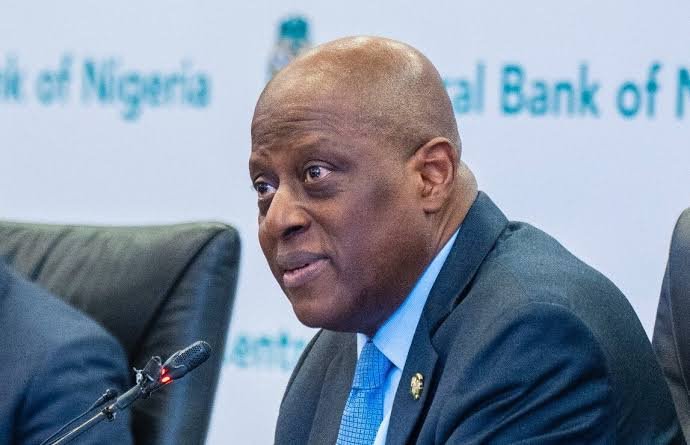
Nigeria’s foreign exchange reserves have climbed past $52.5 billion as of July 17, 2026, marking the highest level recorded in 17 years and exceeding the Central Bank’s own annual target, a milestone the apex bank credits to strengthening investor confidence and steady capital inflows into the economy.
The disclosure came at a CBN Fair held in Gombe, where Acting Director of Corporate Communications and Investor Relations Hakama Sidi Ali delivered opening remarks on behalf of CBN Governor Olayemi Cardoso. According to Sidi Ali, the reserves growth reflects broader improvements in foreign exchange inflows and rising investor participation across multiple asset classes, developments she framed as evidence of growing confidence in how the country’s economy is being managed.
She tied the milestone directly to the reform agenda pursued under Cardoso’s leadership, pointing to a cluster of measurable outcomes: improved macroeconomic stability, easing inflation, and steadier confidence in the foreign exchange market. On inflation specifically, Sidi Ali noted headline figures had eased slightly from 15.93 per cent in May to 15.91 per cent in June 2026, with both food and core inflation also moderating over the same period, gains she attributed to a combination of monetary policy tightening, exchange rate unification, and greater transparency in how the market operates.
The naira’s performance offered further evidence of that stability, according to Sidi Ali, who noted the gap between the official exchange rate and Bureau de Change rates has narrowed to below two per cent, a convergence she described as a clear signal of improved foreign exchange market functioning.
Beyond the immediate reserves and inflation figures, Sidi Ali used the occasion to walk through a broader set of reforms implemented over the past 34 months, including banking sector recapitalisation, the launch of the Non-Resident Bank Verification Number, the B-Match foreign exchange trading platform, the Nigeria Payments System Vision 2028, and the introduction of the Nigerian Overnight Financing Rate benchmark. She reaffirmed that the CBN intends to keep prioritising monetary and price stability going forward, alongside policies aimed at drawing further investment and strengthening the country’s financial markets.
Opening the event, CBN Gombe Branch Controller Yunusa Buba Mubi described the annual fair as a platform designed specifically to help the public understand the bank’s policies while giving stakeholders a direct channel to raise questions and share feedback, encouraging attendees to engage actively with the sensitisation sessions on offer.