

The Nigerian National Petroleum Company Limited (NNPC Ltd.) has rejected claims that its petrol discount initiative signals a return to fuel subsidy, describing the measure as a temporary intervention to ease the impact of rising fuel prices on consumers.
In a statement issued on Friday, the company’s Chief Corporate Communications Officer, Andy Odeh, said the discount did not restore the former subsidy arrangement or introduce a uniform pump price nationwide.
He explained that the initiative applied only to NNPC retail outlets and did not alter the market-based pricing framework governing petroleum products.
The clarification comes amid renewed debate over fuel affordability following a surge in petrol prices linked to elevated global crude oil prices and conflict in the Middle East.
NNPC said it introduced the discount on October 1 to mark Nigeria’s 66th Independence Anniversary and would sustain the initiative until October 31, 2026, at its retail stations nationwide.
According to the company, the measure was intended to provide temporary relief to households and businesses facing higher fuel costs while allowing it to maintain commercially responsible operations.
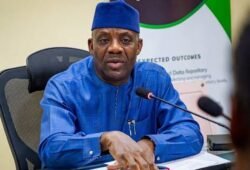
“Following the statement by the Minister of Finance and Coordinating Minister of the Economy, Taiwo Oyedele, on Thursday, NNPC Limited reiterates its commitment to working with the government and stakeholders to cushion the impact of rising fuel prices on households, businesses and the wider economy,” Odeh said.
He added that the discount had been introduced before the minister’s October 8 announcement on measures to ease the burden of rising energy costs.
NNPC urged Nigerians to disregard interpretations suggesting that the initiative amounted to a restoration of petroleum subsidy, insisting that its purpose was strictly customer relief.
The company also reaffirmed its commitment to supporting the Federal Government’s efforts to protect consumers from the effects of volatility in international oil markets.
The clarification follows Oyedele’s warning that restoring petrol subsidy could cost the government more than ₦20 trillion annually. The minister had argued that such spending could place pressure on public finances and threaten funding for salaries, pensions and essential services.
While the government considers other interventions to cushion consumers, NNPC maintained that its current discount does not change the market-based pricing system or represent a return to the previous subsidy regime.
The company said the temporary initiative was designed to help customers navigate a period of heightened uncertainty in global energy markets.