The Nigeria Security and Civil Defence Corps (NSCDC) has called for stronger collaboration among security agencies, government institutions and local communities to safeguard the Lagos-Calabar Coastal Highway from vandalism and other criminal activities.
The appeal follows concerns over incidents of infrastructure damage and theft recorded along sections of the ongoing highway project, which is regarded as one of Nigeria’s most ambitious road developments.
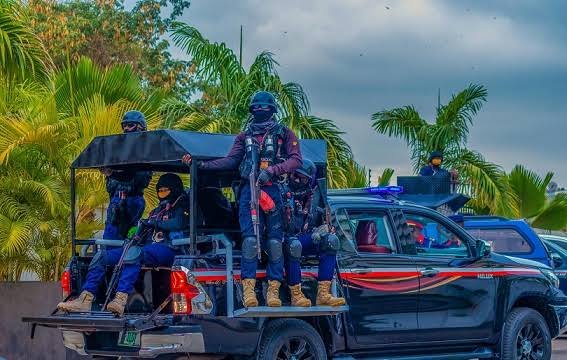
The call was made after a joint inspection of the Lagos section of the highway involving the Lagos State Command of the NSCDC, officials of the Federal Ministry of Works and representatives of the Nigeria Police Force.
The inspection covered an 18-kilometre stretch of the project between Okun-Ajah and Oniru, where officials assessed progress on construction and examined emerging security concerns around the corridor.
Speaking during the exercise, Lagos State Commandant of the NSCDC, Adedotun Keshinro, stressed that protecting the project requires a coordinated approach involving multiple stakeholders.
According to him, the strategic importance of the highway makes it necessary for all relevant agencies to work together in preventing acts capable of undermining the massive public investment committed to the project.
The Federal Controller of Works in Lagos, Engr. Olufemi Dare, reiterated the Federal Government’s commitment to preserving the integrity of the road infrastructure. He noted that the directive of the Minister of Works, Dave Umahi, on protecting the project remains a priority for all agencies involved.
During the inspection, officials observed several incidents of vandalism and theft, including missing manhole covers, stolen iron rods, damaged fencing and the removal of construction materials from project sites.
The team also identified illegal traffic activities, including unauthorised U-turns, which officials warned could pose safety risks and compromise the design objectives of the highway.
Keshinro described the Lagos-Calabar Coastal Highway as a Critical National Asset and Infrastructure deserving special protection. He warned that allowing criminal activities to persist around the project could increase maintenance costs, delay construction timelines and reduce the long-term benefits expected from the highway.
He therefore advocated closer cooperation among security agencies, local authorities and host communities to ensure prompt reporting of suspicious activities and improved surveillance along the corridor.
The Lagos-Calabar Coastal Highway is expected to enhance connectivity, support economic growth and improve transportation along Nigeria’s coastal corridor when completed. However, officials say protecting the infrastructure during and after construction will be essential to maximising its benefits.
Stakeholders believe that sustained collaboration, community engagement and effective law enforcement will play a crucial role in ensuring that the project remains secure and delivers its intended impact on national development.