

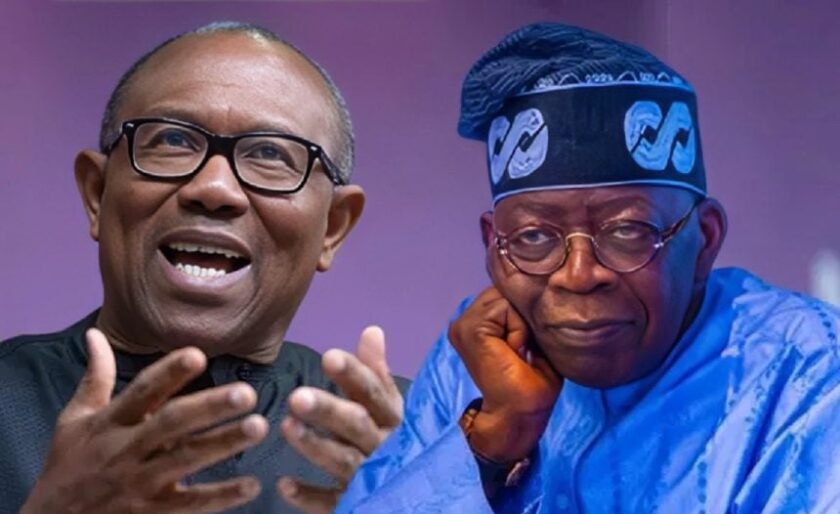
Former Anambra State Governor and Nigeria Democratic Congress (NDC) presidential candidate, Peter Obi, has advised President Bola Tinubu to postpone the implementation of state police until after the 2027 general elections, warning that the initiative could be abused for political purposes.
Obi made the call on Thursday while commenting on ongoing efforts to establish state police as part of wider constitutional and security reforms. He acknowledged the growing demand for decentralised policing but argued that the current political climate makes the proposal potentially risky.
According to him, introducing state-controlled police structures before a major election could create opportunities for political interference and undermine confidence in the electoral process. He urged the federal government to focus on strengthening existing security institutions while building broader national consensus on the reform.
Obi emphasised that he supports the principle of state policing but believes implementation should occur under conditions that guarantee fairness, accountability and public trust. He argued that rushing the process could create unintended consequences and deepen political tensions.
His comments come shortly after the Senate advanced the State Police Bill, which is expected to undergo further legislative consideration, including concurrence by the House of Representatives and ratification by state assemblies.
The proposal has generated mixed reactions across the country. Supporters argue that state police would improve local security responses and help address rising insecurity. Opponents, however, fear governors could misuse the structure to intimidate political opponents and influence elections.
Security experts remain divided on the issue, with many agreeing that safeguards and clear accountability mechanisms would be essential if state police are eventually established.
As debate continues, Obi’s intervention adds another perspective to one of Nigeria’s most significant constitutional and security discussions. The final decision could have far-reaching implications for governance, law enforcement and electoral politics in the years ahead.