Nigeria could receive a major boost to government revenue and foreign-exchange inflows if crude oil prices remain above $100 per barrel, but the price surge is also threatening to increase fuel costs, inflation and operating expenses across the economy.
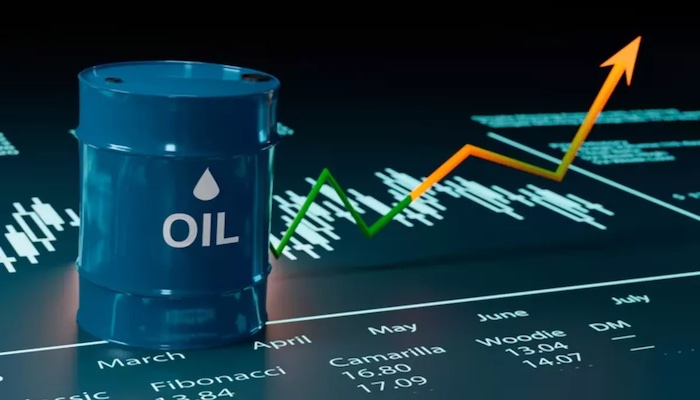
The latest rally pushed the Organisation of Petroleum Exporting Countries (OPEC) Basket, which includes Nigeria’s Bonny Light, up 8.76 per cent to $106.30 per barrel from above $90 on Wednesday.
The increase followed renewed hostilities between the United States and Iran, including attacks on Iranian oil tankers. The escalation has heightened concerns over disruptions to crude supplies, shipping routes and critical energy infrastructure across the Middle East.
For Nigeria, the immediate attraction is the significant premium over the $64.85 per barrel benchmark contained in the 2026 budget.
If prices remain elevated, the country could record higher earnings from crude exports, including petroleum-sector royalties, taxes and other oil-related receipts. Increased dollar inflows could also strengthen foreign-exchange liquidity and give the government additional room to fund infrastructure, debt obligations and other expenditures.
However, industry operators warn that the size of the windfall will ultimately depend on Nigeria’s ability to raise crude production, which remains constrained by underinvestment and other challenges.
National President of the Oil and Gas Services Providers Association of Nigeria, Mazi Colman Obasi, said higher crude earnings could improve Nigeria’s external position.
“Higher oil earnings could strengthen Nigeria’s external position by increasing dollar inflows and improving foreign-exchange liquidity,” Obasi told Vanguard.
He added that stronger dollar inflows could support the naira and make foreign currency more accessible to businesses, although the impact would depend on actual production, export receipts and how much foreign exchange enters the domestic market.
On the other hand, higher crude prices could translate into more expensive refined petroleum products. Obasi warned that petrol, diesel and aviation fuel could come under pressure if the geopolitical crisis persists.
Nigeria’s expanding refining capacity, particularly the Dangote Petroleum Refinery, could provide some protection by reducing dependence on imported products. However, domestic refiners would also face higher crude feedstock costs, potentially squeezing margins.
The consequences could extend beyond the energy sector. Higher petrol costs could increase transportation expenses, while diesel is widely used by manufacturers, logistics firms, telecommunications companies and businesses operating private power systems.
Obasi warned that sustained energy-cost increases could therefore raise the cost of producing and distributing food, manufactured goods and services, complicating efforts to contain inflation.
An industry leader who requested anonymity said Nigeria must use the opportunity to increase crude output, maximise export earnings and strengthen fiscal buffers.
“The latest price surge therefore offers Nigeria the prospect of stronger revenues, but also tests its ability to manage the inflationary consequences of higher oil and energy costs,” the source said.