

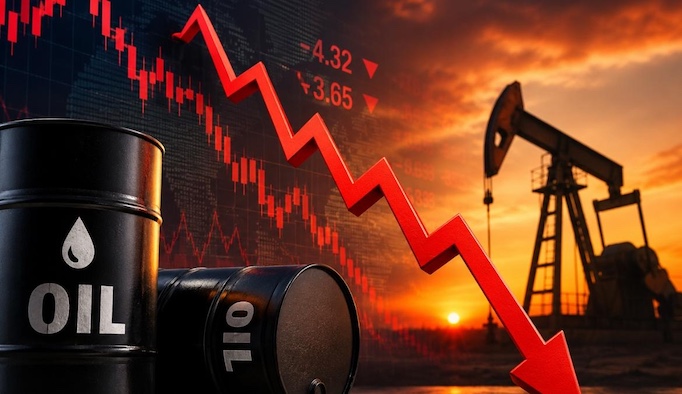
Global oil prices fell sharply to around $80 per barrel on Monday while major stock markets rallied following the announcement of a peace deal between the United States and Iran that will reopen the Strait of Hormuz.
The strategic waterway, through which about 20 per cent of the world’s crude oil passes, had been effectively closed after US and Israeli strikes on Iran in late February, triggering a surge in energy prices. The agreement, to be formally signed in Switzerland on Friday, ends three months of conflict and eases fears of prolonged global inflation. Crude prices dropped by about five per cent, reversing gains that had pushed Brent above $110 per barrel at the height of the crisis. In New York trading, the Dow Jones Industrial Average rose 1.1 per cent, the S&P 500 gained 1.6 per cent, and the Nasdaq jumped 2.6 per cent, led by technology stocks. European and Asian markets also posted strong gains, with Tokyo’s Nikkei 225 and Seoul’s benchmark index both soaring around five per cent. The US dollar weakened as investor risk appetite improved.
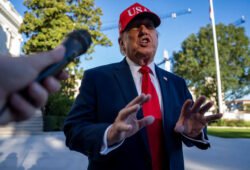
Iran’s Deputy Foreign Minister Kazem Gharibabadi confirmed the deal would bring an immediate end to hostilities, with further talks on a final agreement planned within two months. US President Donald Trump welcomed the development, urging the resumption of oil flows through the strait. Analysts noted that while markets reacted positively, lingering inflation concerns could temper the extent of the rebound. Central banks, including the US Federal Reserve and Bank of England, are expected to maintain interest rates this week pending further clarity on inflation trends.
The development is expected to ease pressure on global energy markets and provide significant relief to oil-importing nations like Nigeria, which has been grappling with high fuel costs and inflationary pressures. Lower oil prices could help reduce subsidy burdens and stabilise the naira, though experts caution that full stability will depend on smooth implementation of the agreement and sustained production levels. For Nigeria, the positive market reaction offers a window to accelerate economic diversification away from crude dependence while strengthening foreign reserves. However, prolonged low prices may also strain government revenues, highlighting the need for fiscal prudence.
The swift market response underscores the interconnectedness of geopolitics, energy security, and global finance. As the deal takes effect, stakeholders will monitor compliance and its ripple effects on supply chains, consumer prices, and investment flows. This breakthrough could mark a turning point in Middle East tensions, fostering greater regional stability and economic optimism worldwide.