

Imagine waking up tomorrow to discover that a community organisation helping widows in your neighbourhood, a foundation sponsoring children’s education, a humanitarian group providing relief to flood victims, or even a charity supporting healthcare programmes can no longer operate freely without fresh approvals, registrations and oversight from a new government regulatory structure.
That is the debate currently unfolding in Nigeria.
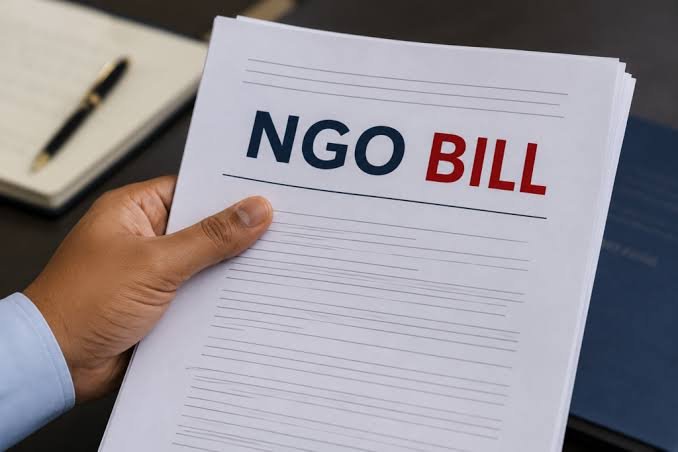
At first glance, the proposed Foreign Aids (Regulation, Transparency and Disclosure) Bill 2026 (SB.1034) may appear to be a technical piece of legislation about foreign funding and accountability.
But behind the legal language lies a much bigger national conversation.
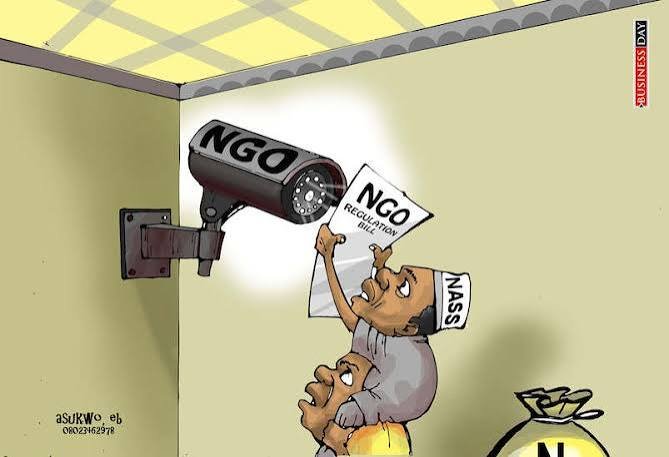
It is a debate about who should monitor organisations that receive foreign aid, how much power government should have over civil society, and whether greater transparency could come at the cost of civic freedom.
For millions of Nigerians who have never worked for an NGO or received foreign grants, the immediate reaction may be simple:
“How does this affect me?”
The answer may be more significant than many realise.
First, What Exactly Is This Bill?
The bill was sponsored by Senator Ibrahim Hassan Dankwambo and passed second reading in the Senate in July 2026. It seeks to establish a comprehensive framework for regulating foreign aid, grants, donations, humanitarian support and donor-funded projects operating in Nigeria.
Supporters of the bill argue that Nigeria receives enormous volumes of foreign assistance every year but lacks a central system for tracking where the money comes from, where it goes and how it is spent.
The proposal includes:
• Mandatory registration of donor-funded projects.
• A national database of foreign assistance.
• Public disclosure of funding arrangements.
• Integration of donor-funded projects into government planning and budgeting systems.
• Sanctions for misuse, diversion or failure to register foreign-funded activities.
On paper, the objective sounds straightforward:
Track the money. Increase accountability. Prevent abuse.
But critics say the story does not end there.
Why Is Government Pushing It?
During Senate deliberations, lawmakers repeatedly cited accountability and national security concerns.
Senator Dankwambo argued that Nigeria’s foreign aid system remains fragmented, poorly coordinated and often operates outside government planning structures.
Senate President Godswill Akpabio also raised concerns about the activities of some organisations receiving foreign funds and questioned whether all such funding is adequately scrutinised.
Deputy Senate President Barau Jibrin reportedly argued that significant sums flow to NGOs and other organisations without sufficient public oversight, while Senator Sani Musa warned that weak monitoring could create security concerns.
To supporters of the bill, the issue is simple:
If foreign money is entering Nigeria and influencing development programmes, government should know exactly where it is going and how it is being used.
Why Are NGOs Alarmed?
This is where the controversy begins.
Many civil society organisations insist they are not opposed to transparency.
Their concern is what they see as the enormous powers that could be created under the proposed law.
One of the strongest criticisms came from former Chairman of the National Human Rights Commission, Chidi Anselm Odinkalu.
Odinkalu described the proposal as:
“the most dangerous piece of legislation” since Nigeria returned to democratic rule.
His concern is that the bill’s reach could extend far beyond traditional NGOs.
According to him, organisations that depend on donations, grants or external support could find themselves subjected to new regulatory requirements and approvals.
Critics fear the legislation could create a situation where organisations spend more time complying with bureaucracy than delivering services.
Why Ordinary Nigerians Should Pay Attention
Many Nigerians hear “NGO” and think only of large international organisations.
In reality, NGOs and civil society groups touch millions of lives every day.
They provide:
• Education support.
• Humanitarian assistance.
• Election observation.
• Women’s empowerment programmes.
• Healthcare interventions.
• Youth development initiatives.
• Community development projects.
• Human rights advocacy.
In many rural communities, some social interventions arrive not from government agencies but through donor-funded organisations.
This is why the bill has generated such strong reactions.
Supporters believe stronger regulation could improve accountability and eliminate fraudulent organisations.
Critics worry it could unintentionally make it harder for legitimate organisations to operate efficiently.
The Growing Resistance
The opposition has not come from one individual alone.
A coalition of dozens of Nigerian, African and international civil society organisations has called for the withdrawal of the bill, warning that it could shrink civic space and weaken freedoms of association and expression.
The Nigeria Network of NGOs (NNNGO) has also argued that the bill could duplicate existing regulatory systems already overseen by agencies such as the Corporate Affairs Commission and anti-money laundering authorities.
The concern among many advocacy groups is not merely about paperwork.
It is about whether future governments could use regulatory powers to pressure organisations that criticise public policies or expose wrongdoing.
Supporters of the bill reject this interpretation and insist that transparency, not control, is the goal.
Where Does the Bill Stand Today?
As of August 2026, the bill has passed second reading in the Senate and has been referred to relevant committees for further legislative work and stakeholder engagement before any final decision is made. It has not yet become law.
This means there is still room for amendments, public hearings, negotiations and possible revisions.
In fact, many of the most controversial aspects of the proposal are likely to be debated extensively before lawmakers decide its final form.
The Bigger Question
Perhaps the real issue is not whether NGOs should be regulated.
Most people agree that organisations handling money,whether public or private, should be accountable.
The bigger question is:
How much regulation is too much regulation?
Can Nigeria create a system that tracks foreign aid, prevents abuse and improves transparency without making life difficult for organisations delivering essential services?
Can government strengthen accountability without creating fears of excessive control?
Can lawmakers protect national security while preserving civic freedoms?
These are the questions at the heart of the debate.
For now, Nigerians are watching as lawmakers, activists, donor organisations and policy advocates continue to argue over a bill that could reshape the future of civil society in the country.
And perhaps the most important question remains one for citizens themselves:
Will this bill ultimately protect Nigerians by improving accountability, or will it make it harder for organisations that provide critical support to communities across the country?
The answer may determine whether history remembers the legislation as a transparency reform or as one of the most controversial attempts to regulate civic activity in Nigeria’s democratic era.