

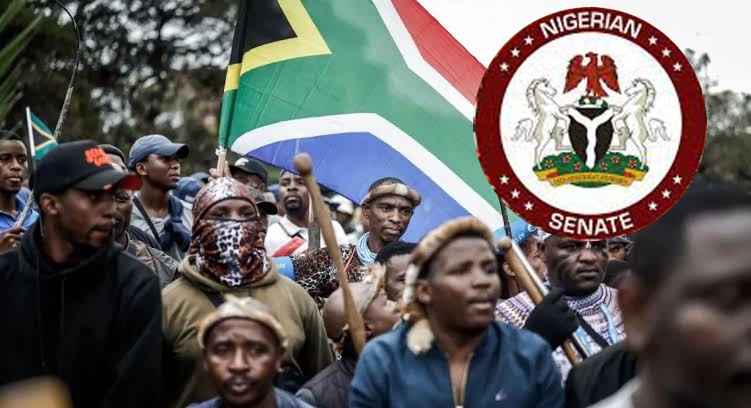
The Senate condemned a fresh wave of xenophobic attacks against Nigerians in South Africa on Tuesday, with much of the debate centering on what Nigeria’s historical solidarity with South Africa should now demand in return.
The motion, sponsored by Senator Asuquo Ekpenyong, traced the surge to a June 30 ultimatum from anti-migrant groups ordering undocumented foreigners out of the country. What followed didn’t stay confined to undocumented migrants, Ekpenyong said. Nigerians and others holding valid residence and work permits were also threatened, profiled, evicted or harassed by vigilante groups. “The indiscriminate targeting of foreign nationals, including lawful residents, demonstrates that this campaign goes beyond immigration enforcement and amounts to xenophobic hostility based on nationality and perceived foreign origin,” he said.
He drew a pointed contrast. Nigeria backed South Africa’s liberation struggle materially and diplomatically, hosting the 1977 World Conference for Action Against Apartheid and imposing economic measures against apartheid-linked firms under Olusegun Obasanjo. Today, South African companies operate freely in Nigeria, even as Nigerian-owned businesses in South Africa face looting and forced closure. Nigeria has met that asymmetry with restraint, Ekpenyong said, but restraint has produced repeated cycles of violence rather than a lasting fix.
That tension split senators into distinct camps. Monguno called for a foreign policy built around protecting citizens abroad. Kalu praised the government’s evacuation efforts while insisting displaced Nigerians deserve compensation, but stopped short of endorsing retaliation. Ningi pushed furthest, floating the possibility of severing ties with South Africa if the violence continues. Abdullahi urged restraint instead, suggesting the unrest may be tangled in South Africa’s internal politics, and recommended the Foreign Affairs Committee investigate before the Senate considers anything punitive.
Senate President Godswill Akpabio sided with that caution, giving the committee two legislative weeks to report back and asking senators pushing for nationalisation or a diplomatic break to hold those proposals until findings are in.
The Senate did immediately agree on concrete steps: written assurances from Pretoria on Nigerians’ safety, arrests and prosecutions of attackers, stronger consular support, and a verified register of affected Nigerians to support compensation claims. It also called for a joint early-warning system against xenophobic violence, developed with other African governments and the African Union.
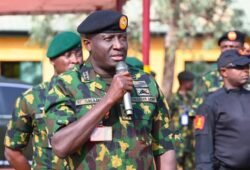
A second motion turned to a separate security failure. Senator Abdulaziz Musa Yar’Adua raised the death in captivity of retired Major General Rabiu Abubakar, abducted by bandits in Katsina State, prompting a minute’s silence and a resolution to send condolence delegations to his family, the Katsina State Government and the Army. The Senate demanded arrests in the case, tighter intelligence sharing and surveillance, deeper engagement with traditional and religious leaders, and faster rollout of modern security technology, alongside a high-level delegation to brief President Tinubu directly. Akpabio credited the military’s sacrifices but conceded more must be done, directing the Defence Committee to sharpen its oversight accordingly.