


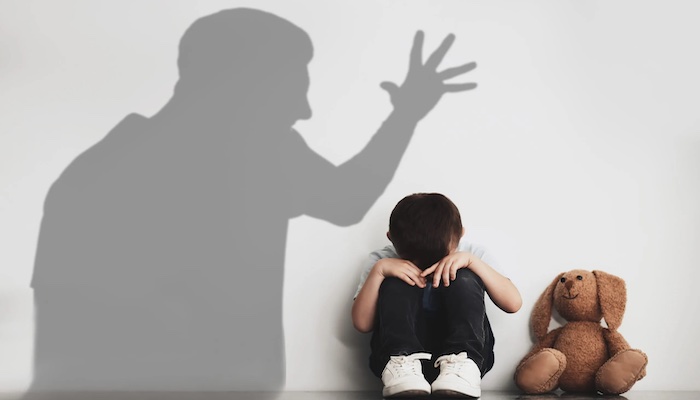
In the bustling streets of Lagos, where the hum of daily life drowns out quieter struggles, Innocent Oja carries a story that has shaped his entire existence.
Now 40, a Senior Project Manager with a family of his own, Innocent reflects on a childhood marked by betrayal. At seven years old, he was left each day with a trusted caregiver—a neighbour his mother relied on while she tended her small shop in the market. What began as innocent playtime escalated into repeated acts of abuse, hidden behind closed doors.
“I didn’t understand what was happening,” Innocent recalled.
“I was scared to tell anyone. I thought it was my fault, that I’d done something wrong.” For years, the secret weighed on him, manifesting in nightmares, withdrawal from friends, and a deep-seated mistrust of others.
It wasn’t until his late twenties, prompted by a supportive wife, that he sought counseling and began to heal.
Innocent’s experience is not isolated, yet it highlights a hidden epidemic: child sexual abuse targeting boys, often shrouded in silence due to societal stigma and misconceptions.
While global attention often focuses on female victims of child sexual abuse, data reveals that boys are significantly affected too. According to UNICEF reports, one in ten boys in Nigeria experiences sexual violence before age 18, compared to one in four girls.
A systematic review of studies in the country shows prevalence rates growing in leaps and bounds, with underreporting exacerbating the true scale. In one study from Oyo State, boys were found to be more affected than girls in certain contexts. Yet, these figures likely underestimate the reality, as male victims are less likely to disclose due to fears of being seen as weak or questioned about their masculinity.
Dispelling the Myths
One pervasive belief is that boys cannot be sexually abused, or if they are, it doesn’t harm them as much as girls. In truth, sexual abuse affects all children profoundly, regardless of gender. Another myth: if a boy experiences arousal during the abuse, he must have wanted it. This ignores the physiological reality that bodies can react involuntarily, even in traumatic situations—it does not imply consent or enjoyment.
A recent report from Lagos State notes that only 9% of reported sexual assault cases involve adult males, underscoring severe underreporting. Experts point out that boys abused in settings like apprenticeships or by trusted figures feel compelled to stay silent to preserve their livelihoods or family honour.
The Lasting Impact
The effects of child sexual abuse on male victims ripple through their lives, often manifesting in adulthood. Jonah, 37, another survivor, highlighted mental health challenges, including depression, anxiety, post-traumatic stress disorder, and suicidal ideation, as only a few of its effects on victims.
Innocent, on his part, describes years of anger and helplessness that strained his relationships: “I pushed people away because I didn’t trust anyone.” Research supports this—abuse can lead to difficulties in forming intimate bonds, low self-esteem, and issues with sexuality, such as confusion or avoidance. Physical health may suffer too, with increased risks of substance abuse, self-harm, and chronic conditions linked to prolonged stress.
Male survivors may fear becoming abusers themselves, leading to over protectiveness or emotional distance with their children.
While various legal frameworks however exist against child sexual abuse in Nigeria, Nancy Asagba, a lawyer and activist, lamented the poor implementation of these frameworks.
“The Child Rights Act and Violence Against Persons Prohibition Act, for example, criminalises child sexual abuse, but implementation varies across states. Healthcare for victims remains inadequate, with many not receiving timely counseling or medical intervention.”
The Lagos State Domestic and Sexual Violence Agency currently offers support and runs initiatives like the King’s Club to promote positive masculinity in schools. Nationwide, while the Cece Yara Foundation focuses on child victims, including boys, advocacy groups like Media Concern Initiative and the Dorothy Njemanze Foundation also offer resources.
The stories of Innocent and countless other survivors like him serve as a stark reminder that child sexual abuse knows no gender boundaries. This is why parents must become more watchful and sensitive, especially toward their male children.
Open conversations about body autonomy, safe touch, and emotional expression must therefore start early and without gender bias. Parents must learn to watch for behavioural changes like withdrawal, aggression, nightmares, or sudden fear of certain people or places. There’s also the need to create safe spaces for disclosure without judgment, and teach that seeking help is a sign of strength, not weakness.
Vanguardngr.com