For motorists heading towards Lekki, Victoria Island, Falomo and Ikoyi, the journey may soon require more than knowing the usual route. It may require knowing which road to avoid, where to turn and how much extra time to allow.
From Monday, October 19, the Lagos State Government will begin a 35-day rehabilitation of Ozumba Mbadiwe Road, covering the stretch between the Adetokunbo Ademola Street/Civic Centre junction and Samuel Manuwa Street/BJ.
The project is expected to change traffic movement along a major Victoria Island corridor, with a contraflow arrangement and alternative routes introduced to keep vehicles moving while repairs are carried out.
For commuters, the immediate concern is straightforward: how will the roadworks affect daily journeys, and which routes should motorists use to avoid unnecessary delays?
A major corridor faces temporary disruption
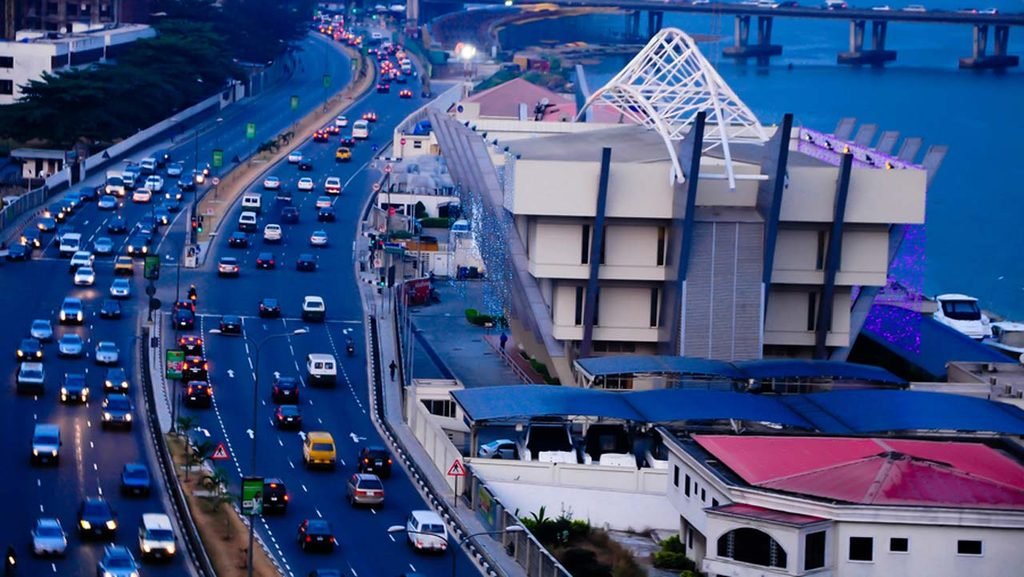
Ozumba Mbadiwe Road serves motorists travelling through the Victoria Island axis, linking routes used by commuters, workers, businesses and visitors moving between adjoining parts of Lagos.
Rehabilitation work on a corridor of this nature requires traffic to be managed while construction takes place. Under the state government’s plan, a contraflow will operate on the Lagos-bound side, from Samuel Manuwa towards Adetokunbo Ademola Street/Civic Centre, while the other lane is being worked on.
The arrangement is intended to maintain movement during the repairs. However, the impact on individual journeys will depend on traffic volume, compliance with diversions and how effectively vehicles are managed at connecting roads.
The Lagos State Commissioner for Transportation, Oluwaseun Osiyemi, announced the advisory and urged motorists to plan ahead, obey traffic officials and cooperate with the arrangements. The Lagos State Traffic Management Authority, LASTMA, is expected to deploy officers to coordinate vehicle movement and minimise disruption.
Which alternative routes should motorists use?
The government has outlined different routes according to motorists’ destinations. Knowing the recommended diversion before setting out could help drivers avoid confusion at junctions.
1. From Bonny Camp or Falomo towards Civic Centre and Lekki
Motorists are advised to use Adeyemo Alakija Street, near Muri Okunola Park, and connect to Adeola Hopewell Street. From there, they should proceed through Akinbo Savage Street and connect to Bishop Aboyade Cole Street.
They can then join the expressway through School Corner, around Black Diamond, towards Sandfield.
An alternative is to connect directly to Bishop Aboyade Cole Street and continue through School Corner towards Sandfield.
2. From Falomo towards Akin Adesola
Motorists should pass through the IMB route and connect to the Coastal Road entrance through Adetokunbo Ademola Street.
They can continue towards Eko Hotel Roundabout, then use Ajose Adeogun Street and Ligali Street towards Black Diamond School Corner.
3. From Bonny Camp towards the Eko Hotel axis
The advisory directs motorists to use Ahmadu Bello Way to connect to Eko Hotel Roundabout through the IMB/Coastal Road entrance.
From there, they should proceed through the Bishop Aboyade Cole Street and Adetokunbo Ademola Street axis, then connect to Ajose Adeogun and Ligali streets towards Black Diamond School Corner.
4. From Eko Hotel towards Civic Centre
Motorists travelling through Adetokunbo Ademola Street towards Civic Centre will be diverted through Bishop Aboyade Cole Street and School Corner, near Black Diamond, towards Sandfield.
Vehicles exiting through the 1004 Estate gate will also be directed to turn left or make a U-turn in front of the gate before proceeding through Bishop Aboyade Cole Street towards School Corner and Sandfield.
5. From Eko Hotel towards Falomo and Ikoyi
Motorists travelling towards Falomo and Ikoyi are advised to use Sanusi Fafunwa Street to connect to Akin Adesola Street and proceed towards the ramp bridge.
These routes are drawn from the government’s published traffic advisory. Motorists should follow on-site signs and instructions from traffic officials, as traffic management arrangements may require adjustments during the project.
The challenge goes beyond finding another road
For many Lagos commuters, a diversion is not simply a change of direction. It can mean leaving home earlier, reconsidering a meeting time or adjusting a delivery schedule.
Businesses operating around Victoria Island may also need to account for possible delays affecting staff, customers and suppliers. For commercial drivers, additional time on the road can affect the number of trips completed in a day.
These are potential effects of the traffic changes, rather than confirmed outcomes of this particular project. The actual impact will become clearer once rehabilitation begins and motorists start using the alternative routes.
The government’s traffic plan will therefore need effective coordination at key junctions, clear directions for unfamiliar road users and a timely response to bottlenecks as they develop.
The presence of LASTMA officers will be important, but motorists also have a role to play. Unauthorised turns, disregard for diversion signs and refusal to follow traffic instructions can undermine efforts to keep vehicles moving.
For commuters, the practical steps are to check the route before departure, allow additional travel time, follow official directions and avoid making last-minute manoeuvres that could obstruct other road users.
A 35-day test of planning and coordination
The rehabilitation is scheduled to last 35 days, beginning October 19. The state government says the contraflow arrangement and alternative routes are intended to support traffic flow while work progresses.
The coming weeks will test how well road repairs and traffic management can operate together on a busy Lagos corridor.
Successful rehabilitation requires more than completing construction. It also requires keeping road users informed, reducing avoidable disruption and ensuring that the arrangements remain responsive to conditions on the ground.
For motorists, preparation begins before reaching the affected stretch. For traffic officials, the task is to make the diversions clear and movement as orderly as possible.
And for the state government, the challenge is to deliver the road improvements without allowing the temporary disruption to become a prolonged daily ordeal for commuters.
As the first barriers go up on Monday, one question will follow every motorist entering the Victoria Island axis: will the alternative routes keep Lagos moving, or will the next 35 days turn a familiar journey into an entirely different commute?