By Deborah Adeyefa
The return of Nigeria’s looted cultural artefacts has renewed attention on the country’s efforts to reclaim its heritage. But beyond the ceremonies that welcome these objects home lies a more difficult responsibility: preserving them, providing suitable places to display them and ensuring that future generations can learn from them.
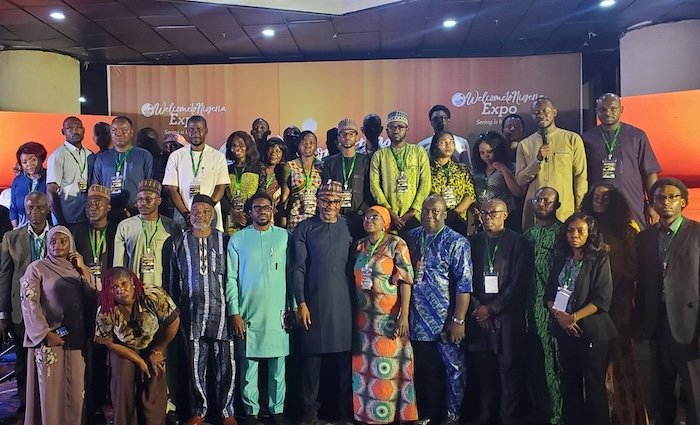
This challenge featured in discussions at the Welcome2Nigeria Expo 2026 in Abuja, where stakeholders examined the obstacles facing the preservation and promotion of Nigeria’s cultural heritage.
A representative of the National Commission for Museums and Monuments (NCMM), Mr Awonusi, highlighted the importance of protecting the country’s heritage while integrating it into broader development plans. He explained that the commission’s work includes identifying, interpreting and conserving cultural assets, as well as collaborating with government agencies, states, non-governmental organisations and other relevant institutions.
However, conservation comes at a cost. According to Awonusi, maintaining heritage assets requires substantial investment, while inadequate infrastructure can make some sites difficult for visitors to reach.
Nigeria’s recent artefact restitutions demonstrate why the discussion matters. In June 2026, three Swiss museums returned 18 artefacts from the Kingdom of Benin to Nigeria. The objects, which include works associated with the celebrated Benin Bronzes, were formally received at the National Museum in Lagos. Switzerland also returned five other cultural objects originating from Nigeria.
The returns followed years of efforts to establish the origins of the objects and address their removal from Nigeria. Their arrival represents an important step in reconnecting cultural objects with the communities and histories to which they belong.
Yet restitution alone does not guarantee preservation. Returned objects require appropriate storage, conservation expertise, security and documentation. They also need spaces where researchers, students and members of the public can encounter them and understand their historical significance.
The Swiss government has said that some returned artefacts would be displayed at the National Museum in Lagos, while most would be temporarily stored in Benin City. It also reported plans by the NCMM to establish a gallery for returned Benin artefacts.
These plans underline the importance of long-term investment. A collection can be physically returned without becoming meaningfully accessible to the people whose history it represents. Without adequate facilities and sustained conservation, the opportunity to turn restitution into public education and cultural renewal may be weakened.
Awonusi said the NCMM was exploring collaboration with foreign agencies, non-governmental organisations and private-sector partners to address some of the challenges facing heritage management. Such partnerships could provide additional resources and expertise, although their effectiveness would depend on clear responsibilities and sustained commitment.
The challenge extends beyond returned artefacts to Nigeria’s wider heritage landscape. Museums, monuments and historic sites require maintenance, trained personnel and facilities that allow them to serve both their communities and visitors.
Government funding remains central to this responsibility. Private investment and international partnerships can complement public resources, but protecting national heritage requires institutions capable of maintaining collections and safeguarding sites over time.
The question is no longer simply how many artefacts Nigeria can bring home. It is whether the country can build the systems needed to protect them, interpret their significance and make their stories accessible.
The treasures may be returning, but the real test lies in what happens after the handover ceremony: whether Nigeria can preserve its recovered history for generations yet to come.