


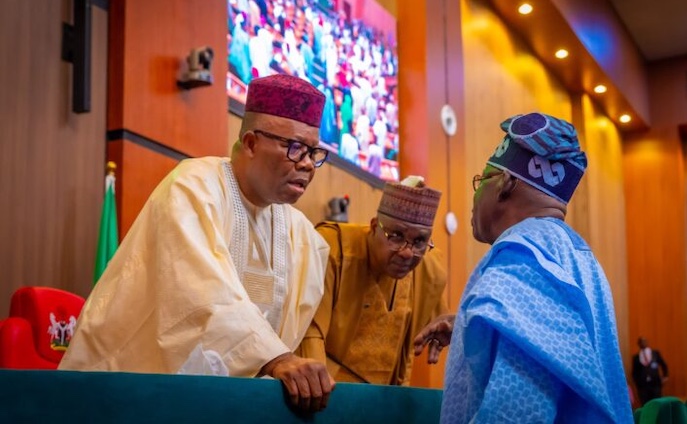
President Bola Tinubu has transmitted a Constitution Alteration Bill to the Senate, setting the stage for what could become one of the most significant constitutional reform efforts of his administration.
The bill, which was formally forwarded to the upper legislative chamber for consideration, is expected to address a range of governance issues currently generating debate across the country. Among the anticipated areas of reform are provisions relating to state policing, decentralisation of security responsibilities and other constitutional matters under review by lawmakers.
Although full details of the proposed amendments have yet to be released publicly, the move has already generated widespread interest among political stakeholders, civil society organisations and governance experts who have long advocated constitutional reforms to strengthen democratic institutions and improve service delivery.
The transmission of the bill comes at a time when discussions on restructuring, security challenges and the distribution of powers between the federal and state governments have gained renewed prominence. Many Nigerians have argued that constitutional changes are necessary to address evolving governance realities and improve the efficiency of public institutions.
Political observers note that the issue of state police has remained one of the most contentious aspects of constitutional reform. Supporters believe it would help states respond more effectively to security threats, while critics have raised concerns about possible abuse by state governments. The proposed amendment is therefore expected to attract intense debate during legislative deliberations.
The Senate is expected to begin examining the bill in the coming days, with lawmakers likely to subject its provisions to committee reviews and stakeholder consultations before any final decision is reached. Constitutional amendments require broad legislative support and, in many cases, approval by state Houses of Assembly before becoming law.
Analysts say the bill represents another step in ongoing efforts to review key aspects of Nigeria’s governance framework. They believe its eventual outcome could have far-reaching implications for security management, federal-state relations and democratic governance.
As deliberations commence, attention will remain on the National Assembly and the specific provisions contained in the proposed alterations. The process is expected to generate robust national conversations on the future of governance and constitutional development in Nigeria.