

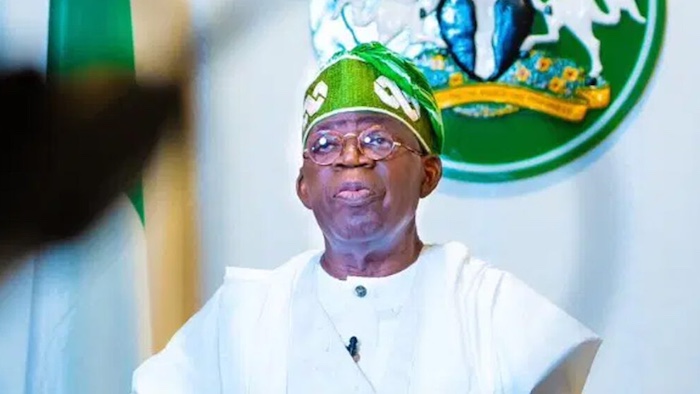
A planned diplomatic meeting between President Bola Tinubu and a special envoy sent by South African President Cyril Ramaphosa has collapsed in a snub that lays bare how deeply strained relations between Abuja and Pretoria have become over the treatment of Nigerians in South Africa.
The rejected delegation, led by South Africa’s Minister of International Relations and Cooperation, Ronald Lamola, arrived in Abuja on Friday, July 24, carrying what officials described as a message of considerable importance for the Nigerian president. But sources familiar with the matter say Tinubu never granted the audience, a decision that came less than 24 hours after a Nigerian national, Chika Ibe, was allegedly tortured to death by South African police officers at his residence in Bellville, Cape Town.
The advice to withhold the meeting reportedly came directly from Nigeria’s Foreign Affairs Minister, Ambassador Bianca Odumegwu-Ojukwu, who cited the ongoing pattern of attacks on Nigerians and their businesses in South Africa as grounds for caution. According to diplomatic sources, she went further, insisting that any future engagement with the South African delegation must be preceded by a formal appointment and, more pointedly, a signed copy of the Early Warning Mechanism agreement the two countries signed in Abuja last October, a framework South Africa has yet to ratify, citing reasons Nigerian officials have called inadequate.
That unratified agreement carries real consequences. Designed to enable rapid communication during security threats and prevent xenophobic violence, the mechanism would also have opened a pathway for Nigerians to claim compensation for destroyed businesses and property, something South African authorities have so far resisted, arguing that only formally registered properties qualify for compensation while structures in informal settlements do not.
As of press time, Tinubu had still not agreed to meet the envoy, and the outcome of a weekend phone call reportedly initiated by Ramaphosa himself remained unclear.
The diplomatic freeze unfolds against the backdrop of Ibe’s death, which South African police say occurred when the 42-year-old collapsed during an arrest linked to a firearm and drugs search. That account has been directly challenged by video footage obtained by Vanguard, which appears to show Ibe being shot by an officer after already sustaining injuries from a rubber bullet. The footage captured a bystander speaking in Igbo, pleading for the Nigerian community to respond to what he described as police violence.
South Africa’s Independent Police Investigative Directorate says a preliminary post-mortem found bruising and abrasions on Ibe’s back and chest, and an investigation is now underway. Nigeria, meanwhile, has continued pressing the issue at a continental level, with Vice President Kashim Shettima telling the recent ECOWAS summit in Sierra Leone that Abuja has evacuated 1,490 Nigerians affected by xenophobic violence and would push for stronger Africa Union action against xenophobia.
By Ezeana Emmanuel