

President Bola Tinubu has urged African countries to take full control of the global minerals value chain, warning that the continent can no longer remain a mere supplier of raw materials while importing expensive finished products.
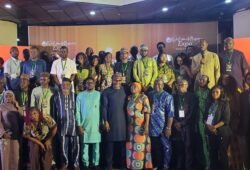
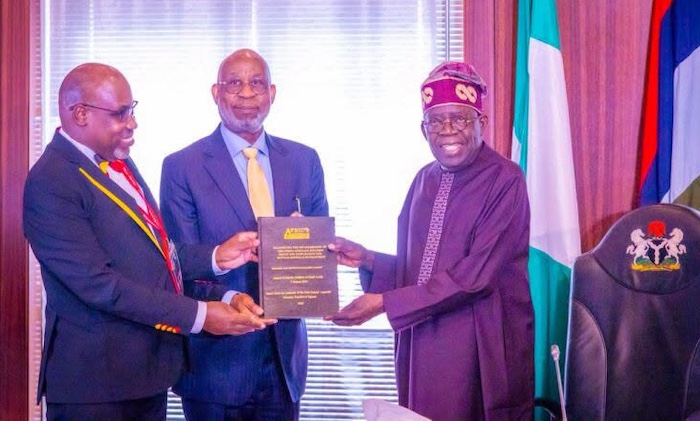
The President made the call on Wednesday while declaring open the 5th African Natural Resources and Energy Investment Summit (AFNIS) 2026 at the State House Conference Centre, Abuja. He was represented by the Minister of Solid Minerals Development, Dr Dele Alake. Tinubu emphasised that Africa’s vast mineral resources, critical to the global energy transition, must be processed locally to drive industrialisation, create jobs and generate sustainable wealth. He called for a unified continental approach that prioritises beneficiation, manufacturing and value addition.
“Africa is not waiting to be discovered. Africa is defining itself. We know our worth, we know our responsibility, we know our destination,” the President stated. He urged governments, investors, financial institutions and development partners to translate discussions into concrete projects, industries and jobs that deliver dignity and prosperity for Africans.
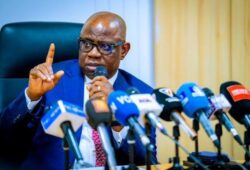
Dr Dele Alake, who also chairs the African Minerals Strategy Group (AMSG), highlighted recent reforms in Nigeria’s solid minerals sector, including the revocation of over 10,000 dormant mining titles to curb speculation. He announced significant investments such as lithium processing projects worth hundreds of millions of dollars and a $1 billion iron ore initiative. The summit, themed “One Africa, One Resource Vision,” brought together ministers, investors and stakeholders to promote responsible mining, local content and regional cooperation.
The President’s directive aligns with Nigeria’s ambition to become a major player in Africa’s mining and mineral processing landscape. For decades, African nations have exported raw minerals such as lithium, cobalt, gold, and rare earth elements only to import finished batteries, electronics, and machinery at exorbitant costs. This pattern has perpetuated economic dependency and limited industrial growth. Tinubu’s call represents a strategic shift towards resource nationalism and value addition, which could transform Africa’s economy if backed by strong policies, infrastructure development, and regional collaboration.
Experts believe that controlling the value chain — from mining to refining and manufacturing — could create millions of jobs, boost GDP, and position Africa as a key player in the global green energy transition. However, challenges such as inadequate infrastructure, technological gaps, and weak regulatory frameworks must be addressed. The summit provided a platform for African leaders to forge partnerships and attract responsible investments that prioritise local participation and environmental sustainability.
Stakeholders have welcomed the President’s position as timely and visionary, especially as the world accelerates the shift to clean energy. Nigeria, with its rich deposits of lithium, tin, columbite, and other critical minerals, stands to benefit immensely if the policy direction is effectively implemented. The government is expected to roll out more incentives for local processing and downstream industries in the coming months.