

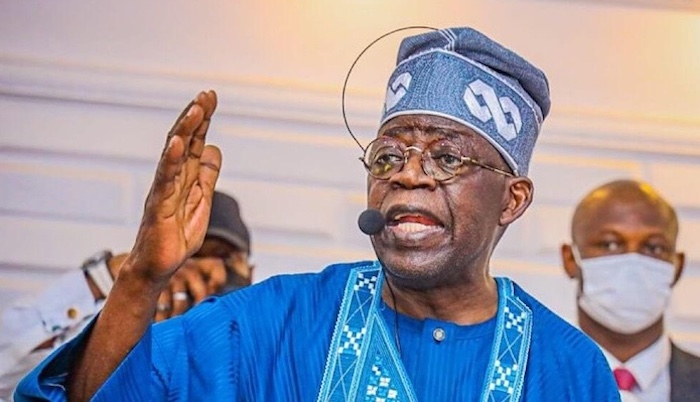
President Bola Tinubu has called on state governors across the country to channel increased revenues from recent fiscal reforms into critical infrastructure projects, particularly roads and transportation networks, as part of efforts to strengthen security, stimulate economic growth and improve citizens’ quality of life.
The President made the call at the Presidential Villa, Abuja, while receiving a delegation of traditional rulers from Oyo State led by the Olubadan of Ibadanland, Oba Rashidi Ladoja. According to him, improved road connectivity remains one of the most effective tools for combating insecurity, as it enables security agencies to access vulnerable communities quickly and respond effectively to emergencies.
Tinubu noted that states now receive significantly higher allocations compared to previous years, stressing that governors must ensure that public resources are invested in projects that directly benefit citizens rather than prestige projects with limited impact.
“The money going to the states today is four to five times what they used to receive. Nobody is borrowing to pay salaries anymore, and pensioners are receiving their entitlements,” the President said.
He urged state governments to focus on constructing roads and expanding arterial networks that connect rural and underserved communities to economic centres, arguing that such investments would not only improve mobility but also enhance security operations and economic opportunities.
According to Tinubu, infrastructure planning should be guided by public needs and national development priorities. He maintained that roads, bridges and transportation facilities play a crucial role in promoting commerce, reducing poverty and extending government services to remote areas.
The President further emphasised that the fight against terrorism, banditry and other forms of criminality cannot succeed without adequate infrastructure that supports rapid deployment of security personnel and emergency responders.
In a related development, Minister of the Federal Capital Territory (FCT), Nyesom Wike, appealed for federal intervention in completing the long-abandoned Millennium Tower project in Abuja.
Wike disclosed that the cost of completing the landmark structure is now estimated at between ₦300 billion and ₦400 billion, an amount he described as beyond the financial capacity of the FCT Administration.
According to him, the project, initiated during the administration of former President Olusegun Obasanjo, should be reclassified as a national project and funded directly by the Federal Government.
He explained that executing the project through the FCT budget would require sacrificing other essential infrastructure projects across Abuja.
The minister expressed optimism that President Tinubu would consider the proposal, noting that discussions were already underway regarding the future of the project.
Observers say Tinubu’s emphasis on infrastructure-driven security reflects a growing recognition that physical connectivity remains a critical component of national stability and economic development.