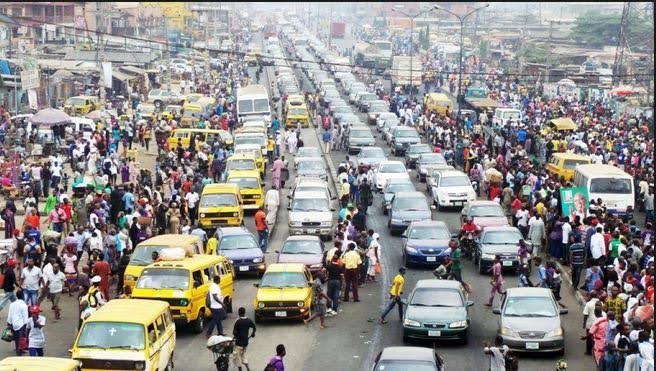
For many Lagos residents, traffic has become an unavoidable part of daily life.
Hours spent crawling through congested roads, fuel consumed while vehicles barely move, and the frustration of arriving late to destinations have become familiar experiences for millions of commuters.
But for a growing number of motorists, traffic is no longer just an inconvenience.
It is becoming a security concern.
In recent months, reports of theft, harassment and vandalism targeting vehicles trapped in traffic have sparked concern among residents, raising fresh questions about safety on some of Lagos’ busiest roads.
A New Kind of Fear
The latest alarm was triggered by reports circulating on social media from parts of Lekki and surrounding areas, where motorists alleged that thieves had begun targeting windshield mouldings or trims, the protective strips around vehicle windscreens that help prevent water leakage and secure the glass in place.
Several vehicle owners shared accounts of discovering that parts of their cars had been removed while they were stuck in traffic or parked for short periods.
For many motorists, the incidents represented something troubling.
Vehicle theft is not new.
Neither is the stealing of side mirrors, batteries, tyres, catalytic converters or other automobile parts.
What appears to be changing is the boldness of some perpetrators and the locations where such incidents are allegedly taking place.
The idea that parts of a vehicle could be removed in broad daylight while a driver remains trapped in traffic has unsettled many road users.
When Congestion Creates Opportunity
Lagos is Africa’s most populous city and one of its busiest commercial centres.
The city’s roads carry millions of commuters daily, creating traffic bottlenecks that sometimes last for hours.
While traffic congestion is primarily viewed as an economic and transportation challenge, security experts have often noted that prolonged gridlock can also create opportunities for criminal activity.
When vehicles are stationary for extended periods, drivers become vulnerable.
Windows may be rolled down because of heat.
Attention may be focused on navigating traffic.
In some cases, motorists are isolated from immediate law enforcement assistance.
These conditions can create opportunities for opportunistic theft and harassment.
More Than Missing Vehicle Parts
The concerns extend beyond reports of stolen windshield trims.
Over the years, motorists have repeatedly complained about harassment, extortion and petty theft along major roads.
Commercial drivers, private vehicle owners and ride-hailing operators have all reported encounters involving individuals demanding money, obstructing traffic or attempting to intimidate road users.
In September 2026, the Lagos State Police Command announced the arrest of six suspects accused of harassing motorists in parts of the state, following complaints from residents.
The arrests reflected growing concerns over activities that many road users say contribute to feelings of insecurity on the roads.
While security agencies continue enforcement efforts, many motorists argue that more visible policing is needed, particularly in known traffic hotspots.
The Cost of Small Thefts
To some observers, the theft of a windshield moulding may appear insignificant compared to more serious crimes.
Vehicle owners disagree.
Replacing modern vehicle components can be surprisingly expensive.
A damaged or missing windshield trim can expose a vehicle to water leakage, wind noise and potential damage to the windscreen itself.
Depending on the make and model of the vehicle, replacement costs can range from tens of thousands to hundreds of thousands of naira.
For many families already struggling with rising living costs, such expenses are difficult to absorb.
There is also the psychological impact.
The knowledge that one’s vehicle could be vandalised while sitting in traffic creates anxiety and reduces public confidence in safety on the roads.
A Wider Problem of Urban Vandalism
The issue forms part of a broader challenge facing major Nigerian cities.
Across the country, authorities have repeatedly raised concerns about vandalism targeting public and private property.
From stolen manhole covers and streetlight components to electrical cables and road infrastructure, vandals continue to exploit opportunities created by weak surveillance and the existence of markets for stolen materials.
In August 2026, Lagos police disclosed that hundreds of public infrastructure items, including manhole covers, fencing materials and road signs, had been stolen from sections of the Lagos-Calabar Coastal Highway.
Authorities also linked some incidents to scrap metal markets where stolen materials are allegedly resold.
The same economic incentives that drive infrastructure vandalism can also encourage the theft of vehicle parts.
Why It Matters
The problem goes beyond the value of stolen items.
Cities thrive when residents feel safe moving freely within them.
When motorists begin to fear harassment, extortion or vandalism during routine journeys, it affects public confidence and quality of life.
It can also have economic consequences.
Businesses depend on efficient movement of people and goods.
Investors and visitors often judge cities not only by their infrastructure but also by perceptions of safety and order.
The Response
Law enforcement agencies have continued to make arrests and conduct operations targeting criminal activity on Lagos roads.
The Lagos State Government has also repeatedly emphasised the need to protect public infrastructure and maintain public order.
Yet many residents believe that enforcement alone will not solve the problem.
Some argue that reducing unemployment, strengthening community policing and improving surveillance in traffic-prone corridors are equally important.
Others call for stricter regulation of scrap markets and stronger penalties for individuals found buying stolen property.
Looking Ahead
For now, millions of Lagosians will continue their daily journeys through the city’s busy roads.
Most will reach their destinations without incident.
But the growing reports of theft and vandalism serve as a reminder that traffic congestion is no longer just a transportation challenge.
It is increasingly becoming a security issue.
The question facing authorities is whether Lagos can ensure that being trapped in traffic remains merely an inconvenience and not an opportunity for crime.
For motorists navigating the city’s endless queues, that answer may be just as important as any road expansion project or traffic management plan.
Because in a city where movement is already difficult, residents should not also have to worry about whether parts of their vehicles will still be there when the traffic finally clears.