

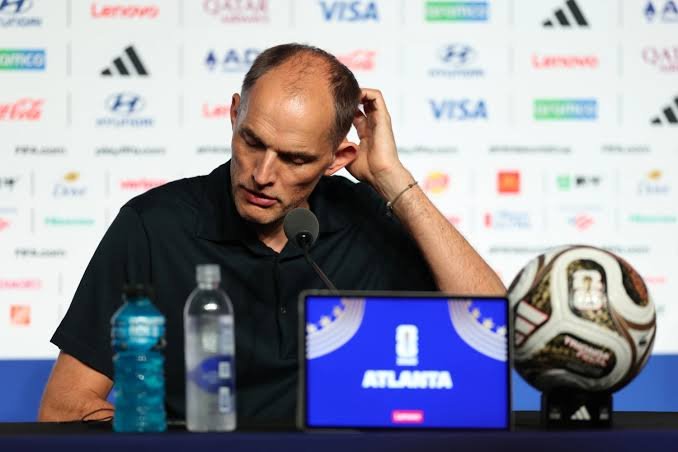
For more than an hour in Atlanta, Thomas Tuchel looked set to guide England to their first World Cup final in six decades. Instead, Wednesday’s dramatic defeat to Argentina has left the England manager facing uncomfortable questions over whether his tactical caution ultimately cost the Three Lions their place in the tournament’s showpiece event.
England had put themselves in a commanding position when Anthony Gordon broke the deadlock early in the second half. At that point, Tuchel’s side appeared within touching distance of a historic final. Yet as the match wore on, England retreated deeper into their own half, surrendering both possession and initiative to the defending champions.
Argentina capitalised ruthlessly. Enzo Fernandez levelled late in the contest before Lautaro Martinez completed the turnaround, sealing a 2-1 victory and ending England’s hopes in agonising fashion.
In the aftermath, Tuchel admitted that his players became “too passive” after taking the lead, acknowledging that England struggled to regain control as Argentina increased the pressure. According to the German coach, the problem was not rooted in tactics alone but in his team’s inability to retain possession and disrupt the rhythm of their opponents.
Nevertheless, much of the post-match debate has centred on Tuchel’s decisions from the touchline. His choice to replace goalscorer Gordon with defender Ezri Konsa in the 72nd minute was widely interpreted as a signal that England intended to protect their advantage rather than extend it. The switch to a back five reflected a team under siege, but critics argue that the move only invited more attacks from an Argentine side growing in confidence.
Tuchel, however, rejected suggestions that his strategy was flawed. He maintained that England had already begun to lose control before the substitutions were made and insisted that the defensive adjustments were designed to close dangerous spaces rather than abandon attacking ambitions.
His defence points to a broader dilemma that managers often face in knockout football: whether to preserve a narrow lead or continue pushing forward. On this occasion, England attempted the former but found themselves trapped by Argentina’s relentless pressure.
The scrutiny surrounding Tuchel is unlikely to disappear anytime soon. England’s inability to navigate the final stages of major tournaments has become a recurring theme, and another near miss will inevitably reignite questions about mentality, game management and tactical flexibility.
For now, however, Tuchel appears determined to look ahead rather than dwell on what might have been. Having signed a contract extension in February that runs until the 2028 European Championship—set to be hosted partly by England—he made it clear that he intends to continue in the role despite the disappointment.
Whether supporters remain convinced by his vision is another matter entirely. Wednesday’s defeat may not define Tuchel’s tenure, but it has undoubtedly become its most significant test so far.