


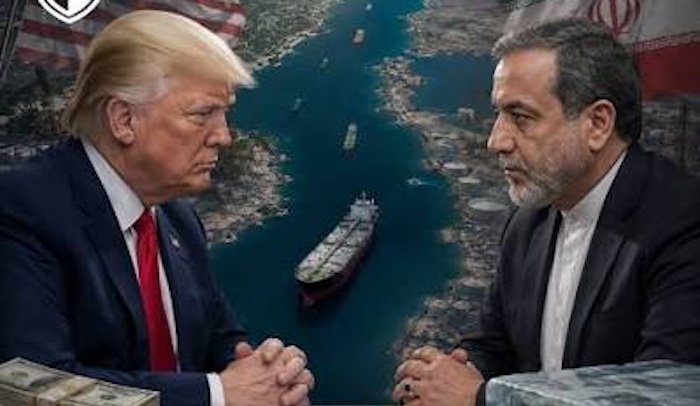
The United States has intensified economic pressure on Iran by expanding sanctions targeting the country’s oil industry and freezing more than $130 million in digital assets linked to Tehran’s central bank.
Announcing the latest measures on Tuesday, the US Treasury Department said the sanctions are aimed at disrupting the business network associated with petroleum shipping magnate Mohammad Hossein Shamkhani, whom Washington accuses of playing a central role in Iran’s oil exports and global commodities trade.
US Treasury Secretary Scott Bessent disclosed that authorities had frozen funds held in cryptocurrency wallets allegedly connected to the Central Bank of Iran, marking a significant escalation in efforts to restrict the country’s financial activities.
“We will continue to aggressively follow the money and deny the Iranian regime access to the proceeds of its illicit revenue schemes,” Bessent said in a statement posted on X.
The sanctions come amid heightened tensions in the Middle East following renewed military confrontations between the United States, Israel and Iran. According to the Treasury Department, the measures are part of a broader strategy to increase economic pressure on Tehran after renewed attacks in the Strait of Hormuz.
Iran has been accused of disrupting activities in the strategic waterway, one of the world’s most important routes for global energy supplies. The latest sanctions also follow the reimposition of a US naval blockade and several days of military strikes against Iranian targets.
In its statement, the Treasury Department alleged that the Shamkhani network remains a critical pillar of Iran’s petroleum trade and has expanded its operations beyond oil into international commodity markets.
The latest action targets more than 50 individuals, companies and vessels that US authorities claim helped facilitate Iranian oil exports and generate revenue for the government.
Officials added that Washington has now sanctioned more than 200 individuals, organisations and ships allegedly linked to the network.
Mohammad Hossein Shamkhani is the son of Ali Shamkhani, a senior adviser to Iran’s Supreme Leader, Ayatollah Ali Khamenei. Both men were reportedly killed on February 28 during the opening phase of the conflict involving the United States and Israel.
Experts say cryptocurrencies have increasingly become an alternative financial channel for Iran, allowing businesses and citizens to bypass restrictions imposed by years of US and European sanctions.
With Iran largely isolated from the global financial system, digital assets have offered a means of conducting international transactions and protecting savings from economic instability and rising inflation.
The US government has signalled that further measures could follow as it seeks to limit Iran’s access to international markets and weaken the financial networks supporting its oil industry.