


Nigeria’s reported economic growth has failed to translate into better living conditions for workers, according to the Association of Senior Civil Servants of Nigeria (ASCSN), which says rising inflation and fuel prices continue to undermine household incomes.
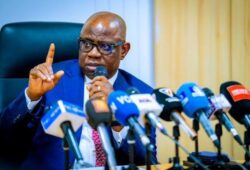
ASCSN President Shehu Mohammed said the disconnect between economic statistics and the realities faced by Nigerians was becoming increasingly difficult to ignore, particularly for civil servants whose purchasing power has continued to decline.
Mohammed spoke in Lagos during the association’s South West zonal workshop, themed “A Shift from Confrontation to Collaboration”, where he also criticised the continued increase in petrol prices.
He argued that the government’s latest Gross Domestic Product (GDP) figures did not adequately capture the economic hardship confronting ordinary Nigerians.
“The reported growth is not reflected on the living condition of Nigerians, especially workers,” Mohammed said, describing civil servants as a critical component of the country’s economic system.
He said the N70,000 minimum wage had already lost significant value to inflation, arguing that workers were effectively being denied the benefit of the wage increase even before its full implementation.
According to Mohammed, preparations should begin ahead of the next minimum wage negotiations expected next year. He said labour representatives needed to gather relevant economic data early enough to strengthen their position during negotiations for improved pay.
He further warned that continued economic pressure on civil servants could have wider consequences for the national economy, insisting that improving workers’ purchasing power was essential to stimulating economic activity.
The ASCSN president also linked rising petrol prices to the consequences of subsidy removal. With fuel now being sold largely according to market conditions, he said Nigerians were paying significantly more despite the country’s inadequate refining capacity.
He noted that petrol prices had climbed beyond N1,000 per litre in some areas, increasing transportation and other living costs for workers and households.
The concerns were echoed by former President of the Petroleum and Natural Gas Senior Staff Association of Nigeria (PENGASSAN), Festus Osifo, who called for wages in the oil and gas sector to be adjusted in line with prevailing inflation.
Osifo, who is also President of the Trade Union Congress (TUC), made the call at a reception organised by the TotalEnergies E&P branch of PENGASSAN to mark the completion of his six-year tenure as union president.
He stressed that protecting jobs and ensuring that workers’ earnings keep pace with inflation should remain priorities for the oil and gas industry.
The separate interventions by the two labour leaders highlight growing concerns over the gap between Nigeria’s reported economic performance and the financial realities confronting workers, as inflation, fuel costs and declining purchasing power continue to shape household spending.